

How to Choose Gel Polish Packaging for Salon Use, Retail, and Distribution
- Matching Gel Polish Bottles to Real Salon Workflows
- What Technicians Actually Need From a Bottle
- Bottle Size, Brush, and Cap Details That Affect Daily Speed
- Light Protection and Shelf Life Inside the Studio
- Designing Packaging for Retail Shelves and Distribution
- Retail Packaging: Shelf Appeal and Consumer Trust
- Distribution Packaging: Cartons, Pallets, and Batch Traceability
- Packaging Comparison by Channel
- Compliance, Materials, and Quality Checks Before You Order
- Labeling and Regulatory Basics
- Material Compatibility and Testing
- My Pre-Production Checklist
- Why I Recommend a Single Supplier for Packaging and Formulas
- Full Nail System Coverage
- How Our Team Supports Custom Packaging
- Frequently Asked Questions
The right packaging for nail salon gel polish depends on three things: how quickly the product is used, how it is sold, and how far it travels. Salon technicians need light-protective bottles with reliable brushes and instantly readable shade labels. Retail shoppers need attractive, tamper-evident units with clear ingredient and usage information. Distributors need cartons that survive long transit and carry traceable batch data. In my 15 years in this industry, the best results always came from designing packaging by sales channel instead of forcing one bottle and one box to do every job, then testing for leakage, light blocking, and labeling compliance before mass production.
Below, I walk through the decisions I make with salon owners, private-label brands, and wholesalers, including the mistakes that cost the most money and how to avoid them.
Matching Gel Polish Bottles to Real Salon Workflows
What Technicians Actually Need From a Bottle
When I visit a busy studio, I do not start with the product. I watch the technician's hands. In a salon, a bottle is opened and closed dozens of times a day, often with gloves on and sometimes with one hand holding a client's finger. That is why nail salon gel polish packaging must prioritize grip, a stable neck, and a cap that seals cleanly without gel crusting around the thread. A bottle that looks beautiful but leaks into the cap collar wastes product and creates sticky mess on the workstation.
Shade identification is equally important. I recommend a visible color swatch on the cap or label, a printed shade number, and a consistent label position across the whole collection. Technicians pick shades dozens of times a day, and every second spent hunting for a number slows service. Salons that reorganize their shelves around clear, consistent labeling often tell me they save noticeable time during peak hours.
Bottle Size, Brush, and Cap Details That Affect Daily Speed
For professional use, 8 ml, 10 ml, and 15 ml are the sizes I see most often. Smaller bottles suit trend shades that rotate quickly, while larger formats make sense for best-selling nudes, pinks, and clear base and top coats. The brush matters just as much as the volume. A flat, medium-density brush with a slightly rounded tip helps a technician cover the nail in three strokes with self-leveling gel. Brushes that are too stiff leave streaks, and brushes that are too soft collect too much product near the cuticle.
I also advise checking the cap's inner liner and the brush wiper. A poor wiper pushes too much gel back into the bottle neck, and that residue cures partially when exposed to ambient light, leading to lumps over time. These small details separate a bottle that performs consistently for months from one that frustrates technicians in weeks.
Light Protection and Shelf Life Inside the Studio
Gel polish is designed to cure under UV or LED light, which is why the overview of nail polish types and chemistry on Wikipedia is a useful starting point for anyone new to the category. In practice, it means the packaging itself must block unwanted light. I prefer opaque or deeply tinted bottles for sheer and clear products, and I recommend that salons store stock in drawers or closed trays instead of on sunny display shelves. If you use clear glass for aesthetic reasons, the formula must be tested for stability under realistic lighting conditions, and the bottle should be stored away from windows and lamps.
Designing Packaging for Retail Shelves and Distribution
Retail Packaging: Shelf Appeal and Consumer Trust
Retail is a different game. A consumer who picks up a bottle of nail salon gel polish at a beauty store or from an online listing has no technician to explain it. The packaging has to do that job. I suggest an outer box or sleeve showing the shade name, a color swatch, the net volume, curing instructions (for example lamp type and cure time), and a short list of key claims that you can actually support. A tamper-evident seal builds confidence, especially for online orders where a returned or opened bottle can damage ISAYNAIL's reputation.
Design consistency also pays off. Brands that use a unified color-coding system, such as one band color for base coats, another for top coats, and another for color gels, help beginners buy the right sequence. I have seen return rates drop when customers can immediately understand which product does what.
Distribution Packaging: Cartons, Pallets, and Batch Traceability
Distribution packaging is not glamorous, but it protects your margin. Inner cartons should hold bottles snugly with dividers or molded trays so glass does not clink against glass. Master cartons need a clear unit count, weight, and batch code that can be scanned. Whenever I audit a distributor's complaints, I find that the majority of damage claims come from under-specified outer cartons or from inconsistent carton sizes that waste pallet space and shift in transit.
Batch traceability is also essential. If a distributor receives a complaint about viscosity or color shift, the batch number on the bottle, the inner box, and the master carton must match so the issue can be traced back to production records. That discipline is also consistent with ISO 22716 guidelines for cosmetic good manufacturing practices, which emphasize documentation, traceability, and controlled packaging operations.
Packaging Comparison by Channel
To make decisions easier, I use the following comparison when I advise clients on which packaging features to prioritize for each channel.
| Feature | Salon Use | Retail | Distribution |
|---|---|---|---|
| Typical bottle size | 10 ml to 15 ml for fast-moving shades | 8 ml to 15 ml, depending on price point | Same as retail, packed in bulk |
| Outer box | Often optional or minimal | Required, with branding and instructions | Inner carton plus reinforced master carton |
| Label priority | Shade number, large and readable | Claims, swatch, usage, ingredients | Batch code, barcode, unit count |
| Light protection | High, for daily open-and-close cycles | High, plus shelf-display consideration | High, with sealed cartons in transit |
| Tamper evidence | Low priority | High priority | Medium, through carton sealing |
| Main risk | Cap crusting and leakage | Poor shelf appeal and weak trust signals | Breakage and traceability gaps |
Compliance, Materials, and Quality Checks Before You Order
Labeling and Regulatory Basics
Labeling errors are the most expensive mistakes I see, because they can force relabeling, shipment delays, or even product holds. Requirements differ by market. In the United States, the FDA's Modernization of Cosmetics Regulation Act (MoCRA) overview explains expanded expectations around facility registration, safety substantiation, and labeling. For the European Union, the European Commission's cosmetics legislation page points to Regulation (EC) No 1223/2009, which covers responsible person details, ingredient listing, and batch identification. Before I approve any packaging artwork, I ask the client which markets they plan to enter and then confirm the required elements for each one.
Material Compatibility and Testing
Gel formulas contain reactive monomers and oligomers, so packaging materials must be compatible. I always request a compatibility and stability test with the final formula in the final bottle, not a sample bottle. The test should include a warm-storage cycle, an inversion test for leakage, a brush-shedding check, and a visual inspection of the label after exposure to alcohol wipes, because technicians frequently wipe bottles during service. Glass is common for gel polish, but the cap, liner, and brush bristle material need equal attention.
Salon safety is also part of the picture. The OSHA nail salon guidance highlights safe chemical handling, labeling of containers, and ventilation. If a salon decants gel products into other containers, secondary labeling matters too. Choosing packaging that discourages decanting, with a good pour-free brush bottle, helps keep a studio safer and more organized.
My Pre-Production Checklist
Before approving a production run, I walk clients through a short checklist: confirm the target market's labeling elements; approve a physical sample with the real formula; run a drop test on a packed carton; verify barcode readability; check that the shade swatch matches the liquid under daylight and lamp light; and confirm that batch codes appear on every layer. It takes a few days, yet it routinely prevents weeks of rework. Whenever a client wants to skip a step to meet a launch date, I remind them that fixing a problem after distribution costs several times more than preventing it.
Why I Recommend a Single Supplier for Packaging and Formulas
Full Nail System Coverage
One lesson from my career is that packaging problems often start in the formula-packaging handoff. When the bottle maker, the formula supplier, and the labeler are three different parties, no one owns the final result. That is why I appreciate working with a manufacturer that handles the complete nail system. Our range covers gel polish, dip powder, acrylic powder, fast dry nail polish, extension gel, cuticle oil, function gel, and chrome powder, so a salon or brand can build a coordinated collection with consistent branding, labels, and cartons across every category.
That coordination is practical, not just cosmetic. A technician who uses our extension gel, function gel, and nail salon gel polish together benefits from consistent labeling logic and reliable sizing, while a retailer can merchandise dip powder, acrylic powder, and chrome powder on the same shelf with a unified look. Cuticle oil and fast dry nail polish add simple, repeat-purchase items that raise basket value without complicating inventory.
How Our Team Supports Custom Packaging
When clients come to us, we begin with the sales channel: salon supply, retail, e-commerce, or wholesale. From there, we help them select bottle formats, brush types, label layouts, and carton structures, and we align the packaging with the compatibility checks and traceability steps I described above. We can also support private-label projects, so a salon chain or distributor can launch under its own identity without sacrificing consistency. Because we handle both the formula and the presentation, feedback from salons about brush feel, shade accuracy, or cap performance can be addressed quickly instead of bouncing between vendors.
If you are comparing options, ask any supplier to show you tested samples, explain their batch-coding process, and describe how they handle packaging changes between runs. These questions reveal operational maturity quickly, and they are the same questions I would ask if I were buying for my own brand.
If you are ready to build a gel polish packaging plan that works for your salon, shelf, and shipment, contact us today to discuss samples and explore our full range of gel polish, dip powder, acrylic powder, fast dry nail polish, extension gel, cuticle oil, function gel, and chrome powder.
Frequently Asked Questions
What is the best bottle size for nail salon gel polish?
For professional use, 10 ml and 15 ml bottles are practical for popular shades and base and top coats, while 8 ml works well for trend colors and retail collections. Choose the size based on how quickly each shade is used so the product stays fresh and the bottle does not sit half-used for months.
Why does gel polish need light-protective packaging?
Gel polish cures when exposed to UV or LED light, so unwanted light exposure can thicken the formula or cause partial curing in the bottle neck. Opaque or tinted bottles, closed storage, and sealed cartons help maintain stable texture and consistent performance.
What information should be on retail gel polish packaging?
At minimum, include the product name, shade name or number, net volume, usage and curing instructions, ingredient information, batch code, and manufacturer or responsible party details, according to the rules of your target market. Check the local regulations before finalizing artwork.
How should gel polish be packed for distribution and shipping?
Use inner cartons with dividers or molded trays to prevent glass-on-glass contact, then place them in reinforced master cartons labeled with unit count, weight, barcode, and batch code. Run a drop test on a fully packed carton before approving a large order.
Should salons and retail brands use the same gel polish packaging?
Usually not. Salons prioritize grip, shade readability, and durability under daily use, while retail packaging needs shelf appeal, tamper evidence, and clear consumer information. You can keep the same formula and brand identity but adjust the packaging format for each channel.
Can I order private-label gel polish with custom packaging?
Yes. Many manufacturers, including our team, support private-label projects covering bottle selection, label design, outer boxes, and carton specifications. Share your target market and sales channel first so the packaging can be matched to your compliance and logistics needs.
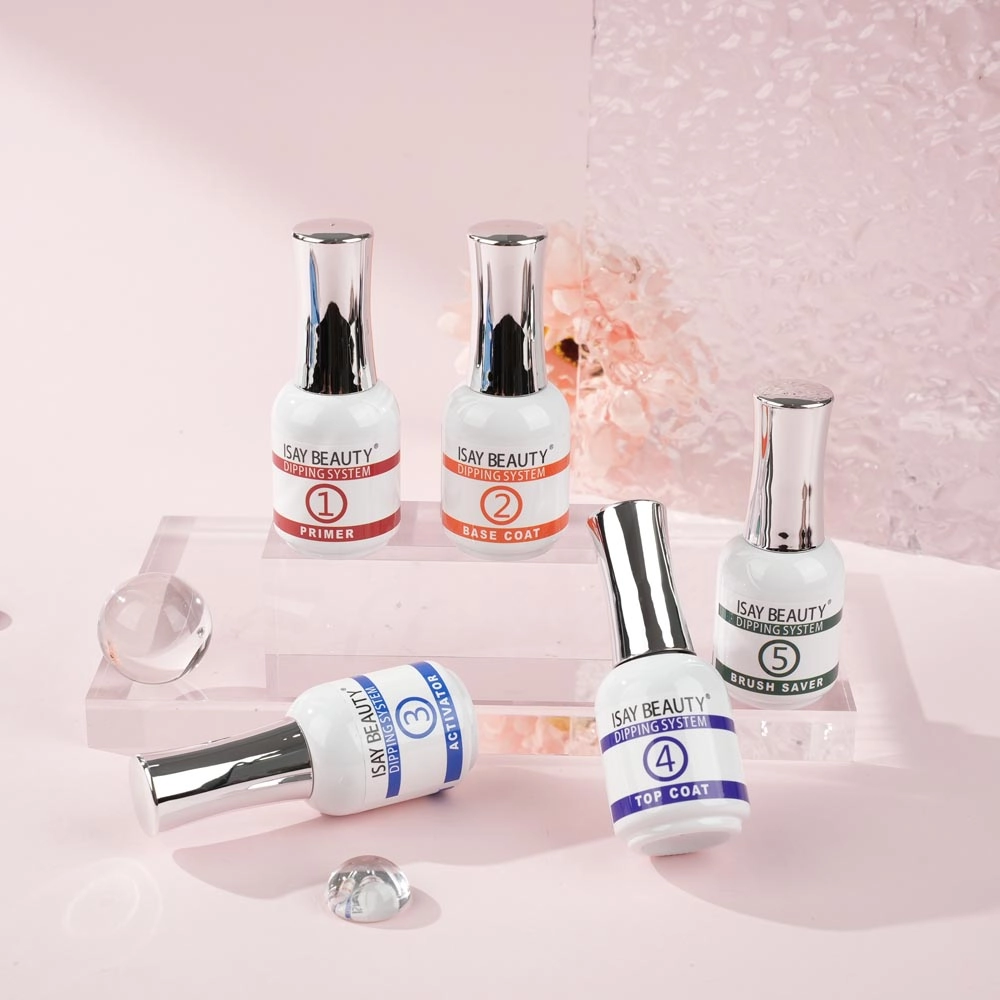
Quality Control Checklist for Dip Powder Liquid Set Purchases
What Can I Use as a Base for Dip Powder? | ISAYNAIL
Discover the Best Nail Tips with ISAYNAIL
Top 5 cat eye gel Company List and Products Compared
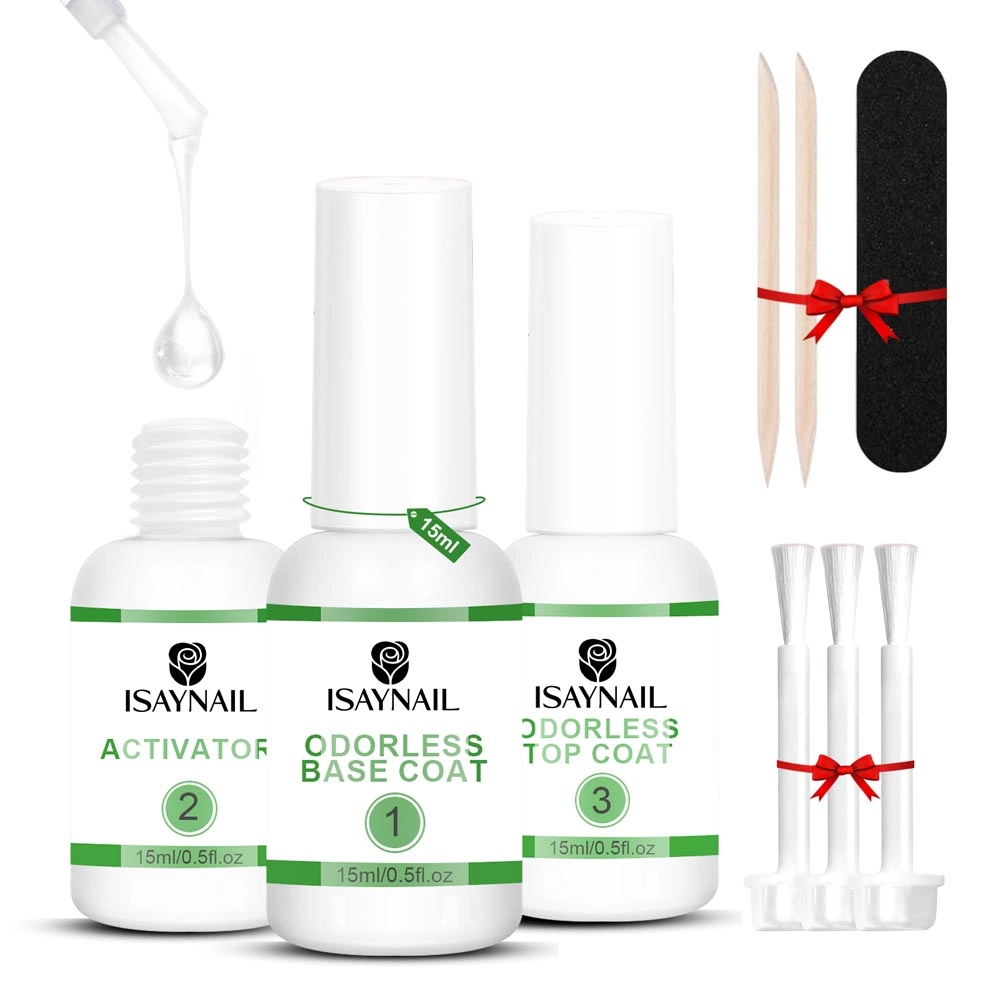
Essential Dip Powder Liquid Set 15ml Top Coat and Base Coat Gel Polish Kit
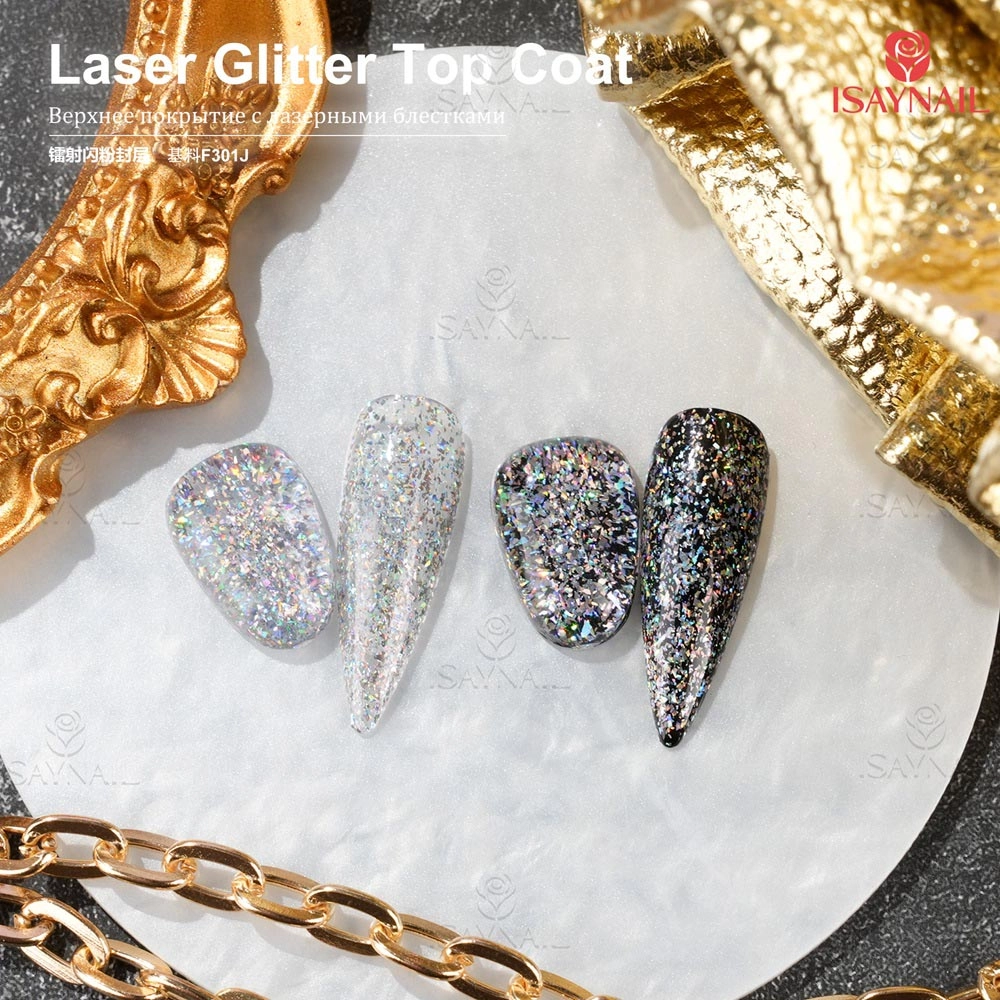
Professional Nail Supplier High Pigment Sparkly Shiny Laser Glitter Top Coat Gel
ISAYNAIL presents our High Quality Laser Rainbow Top Coat Gel Polish. Achieve a dazzling, colorful, and shiny glitter finish that mesmerizes. This long-lasting Laser Rainbow Top Coat elevates any manicure into a brilliant, eye-catching work of art. Experience the sparkle!
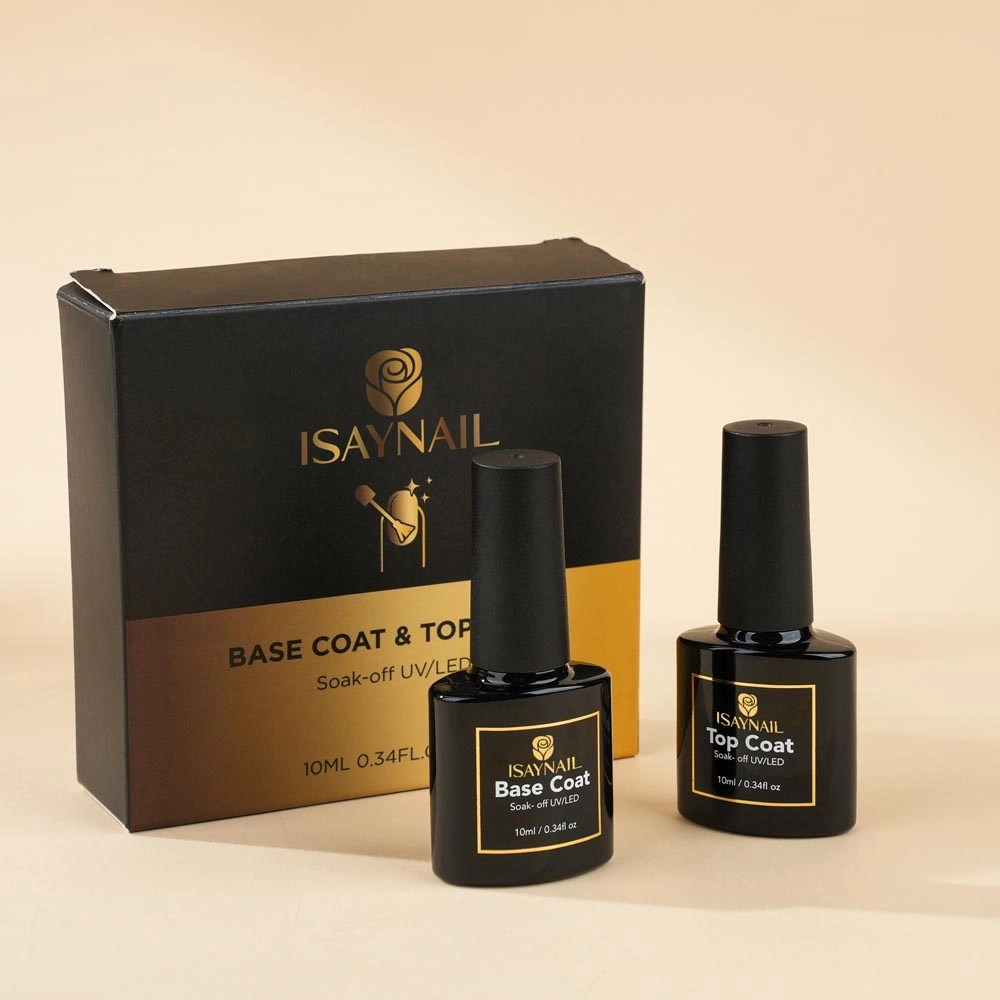
Clear Color 10ml Soak Off UV Lamp Top Base Coat Gel Polish Set
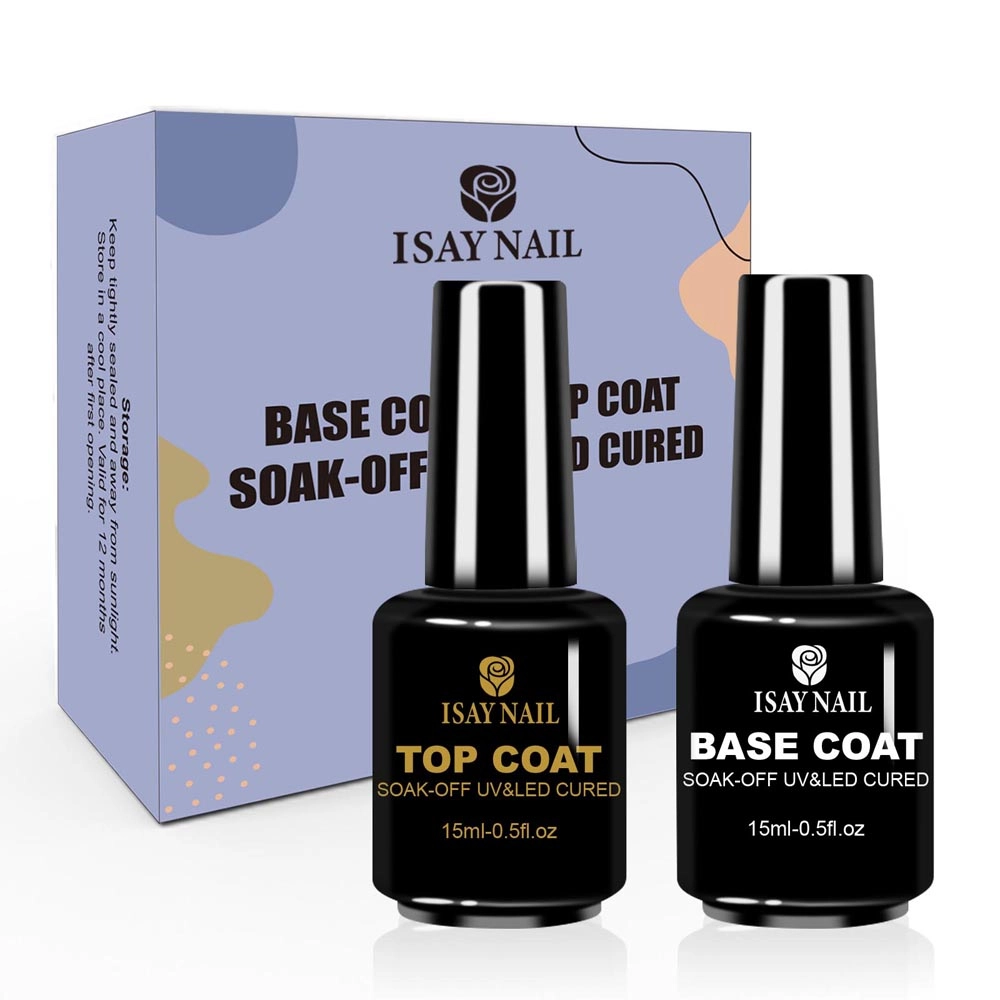
High Quality Soak Off UV LED Base Coat and Top Coat Gel Polish Set
Contact Us
We are committed to producing the best quality products at the most competitive prices.Therefore, we sincerely invite all interested companies to contact us for more information.
* Rest assured that your privacy is important to us, and all information provided will be handled with the utmost confidentiality.
Copyright © 2025 ISAYNAIL All Rights Reserved.
Isaynail
2in1_acrylic_powder.factory