

Testing and Certification for Safe Acrylic Nail Powder Products
- Testing and Certification for Safe Acrylic Nail Powder Products
- Why testing matters for acrylic nail powder safety
- Product spotlight: Private Label Colorful Acrylic Powder Fast Dry Shiny Glitter Aurora Dip Powder
- Key safety concerns for acrylic nail powder and why testing is essential
- Regulatory framework and certifications that matter for acrylic nail powder
- How these certifications and regulations map to product safety
- Essential laboratory tests for acrylic nail powder
- How to read and verify a Certificate of Analysis (COA) and safety documentation
- Best manufacturing practices to reduce risks for acrylic nail powder
- Practical guidance for salons and consumers when choosing acrylic nail powder
- Comparative checklist: What certifications/tests salons should ask suppliers for
- Common testing pitfalls and how brands can avoid them
- Brand assurance: How ISAYNAIL's Private Label Colorful Acrylic Powder supports safety and quality
- FAQs — Testing and Certification for Acrylic Nail Powder
- Q: What tests should I ask for when buying acrylic nail powder?
- Q: Are there banned ingredients I should watch for in acrylic powders?
- Q: How can salons protect technicians from inhalation risks?
- Q: How long should COAs and test reports be retained?
- Q: Can consumers test products at home for safety?
- Contact and product CTA
- Authoritative references and further reading
Testing and Certification for Safe Acrylic Nail Powder Products
Why testing matters for acrylic nail powder safety
Consumers and professionals expect acrylic nail powders to be beautiful, long-lasting, and — above all — safe. Acrylic nail powder products can contain pigments, resins, and fine particulates that present chemical, allergenic, microbiological, and inhalation risks if not properly controlled. Robust testing and recognized certifications reduce those risks, demonstrate regulatory compliance, and build trust with salons, retailers, and end users.
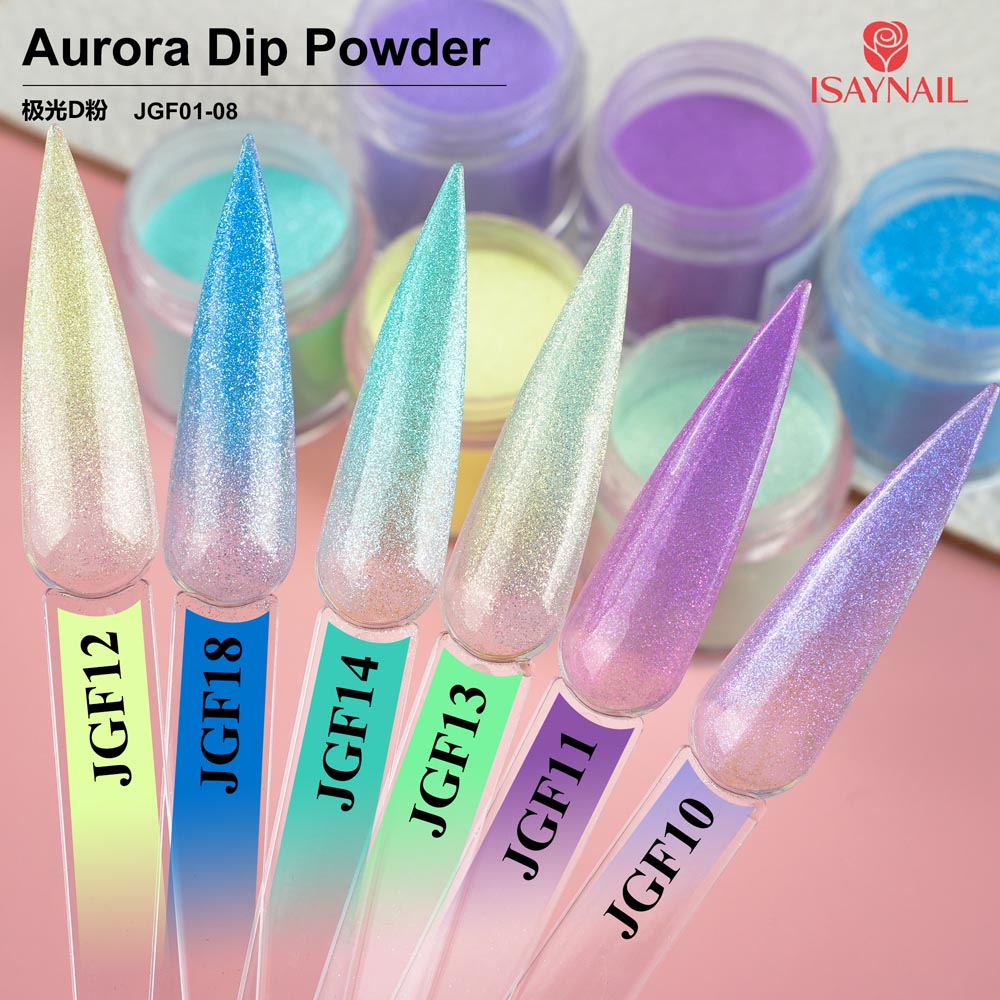
Product spotlight: Private Label Colorful Acrylic Powder Fast Dry Shiny Glitter Aurora Dip Powder
Experience ISAYNAIL's captivating Aurora Dip Powder. This Colorful Acrylic Powder delivers fast-dry, shiny glitter effects with a mesmerizing 'Aurora' finish. Achieve vibrant, multi-dimensional nails that sparkle beautifully. Easy to apply for stunning, long-lasting results.
Key safety concerns for acrylic nail powder and why testing is essential
Testing targets the most relevant hazards for powdered nail products. These include:
- Chemical hazards: restricted or prohibited substances (e.g., certain monomers, high levels of heavy metals)
- Allergens and sensitizers: methacrylates and other monomers can cause contact dermatitis
- Microbiological contamination: although powders are low-moisture, contamination can occur during manufacturing or packaging
- Particulate inhalation: respirable dust and ultrafine particles can affect technicians and customers
- Stability and performance: color fastness, adhesion, and shelf-life
Testing ensures that each batch meets safety specifications and that labels and safety data sheets accurately reflect risks and precautions.
Regulatory framework and certifications that matter for acrylic nail powder
Different markets have different legal frameworks. Manufacturers and private-label brands need to understand the major requirements to sell safely and legally.
- EU: Cosmetics Regulation (Regulation (EC) No 1223/2009) — requires safety assessment by a qualified safety assessor, a Product Information File (PIF), and banned/restricted substances compliance.
- USA: FDA — cosmetics are not pre-approved, but products must be safe and properly labeled; color additives may require FDA approval.
- REACH/ECHA (EU): registration and restrictions for certain chemical substances used in formulations.
- Good Manufacturing Practices (GMP): ISO 22716 provides guidelines for cosmetic GMP.
- Third-party testing and quality certifications: ISO 9001, independent lab Certificates of Analysis (COA), SGS/Intertek testing, and voluntary marks like cruelty-free (where applicable).
How these certifications and regulations map to product safety
Compliance demonstrates that the product has been evaluated for chemical safety, labeling, and manufacturing quality. For example, ISO 22716 addresses contamination control during manufacturing; Cosmetics Regulation 1223/2009 mandates a safety assessment and PIF; REACH restricts hazardous substances at the EU level.
Essential laboratory tests for acrylic nail powder
A comprehensive test panel should cover chemistry, toxicology indicators, microbiology, and physical properties. The table below summarizes important tests and what they verify.
| Test | What it checks | Why it matters |
|---|---|---|
| Heavy Metals (Pb, Cd, Hg, As, Cr VI) | Concentration of toxic metals | Limits reduce systemic toxicity risk and EU restrictions |
| Residual Monomer Analysis (e.g., MMA) | Levels of unreacted monomers | Monomers can cause allergic reactions or be toxic; some (like MMA) are banned in some markets |
| Colorant/ Pigment Purity | Compliance of pigments with color additive regulations | Ensures pigments are permitted for cosmetic use and free of contaminants |
| Microbial Limits (total aerobic count, yeast, mold) | Bioburden levels | Prevents infections/contamination during use |
| Particle Size Distribution | Fraction of respirable particles | Smaller particles increase inhalation risk for technicians |
| Stability and Accelerated Aging | Color, adhesion, texture over time | Supports shelf-life claims and packaging selection |
| Migration/Leachables (from packaging) | Substances migrating into the product from containers | Prevents packaging-derived contamination |
| SDS/MSDS Verification | Hazard communication completeness | Required for workplace safety and transport |
How to read and verify a Certificate of Analysis (COA) and safety documentation
A COA is evidence that a batch was tested and met specifications. Key elements to verify:
- Lab accreditation: check that the testing lab is ISO/IEC 17025 accredited or a recognized third-party lab (SGS, Intertek, Bureau Veritas).
- Test parameters: confirm that heavy metals, residual monomer, microbiology, and particle-size tests are included.
- Limits and results: results should be within product specifications and regulatory limits for your target market.
- Batch number and date: COA must match the product batch in question.
- Safety Data Sheet (SDS): must reflect ingredients, hazards, handling, PPE and first-aid measures.
Manufacturers should maintain a Product Information File (PIF) with the safety assessment, COAs, test reports, and manufacturing records as required in many jurisdictions.
Best manufacturing practices to reduce risks for acrylic nail powder
Meeting tests and certifications starts with controlling raw materials, process, and packaging:
- Source pigments and resins from reputable suppliers with COAs.
- Use ISO 22716-compliant GMP processes to minimize cross-contamination and microbial ingress.
- Implement in-process controls: particle size monitoring, blend homogeneity checks, and environmental monitoring.
- Perform routine stability testing on representative batches.
- Label clearly and provide an accurate SDS and usage/precaution statements for consumers and professionals.
Practical guidance for salons and consumers when choosing acrylic nail powder
For salon owners and consumers, verifying product safety reduces liability and health risks:
- Request the COA and SDS for the specific product and batch before purchase or use.
- Prefer products from manufacturers with ISO 22716 or ISO 9001 and documented third-party testing.
- Inspect product labeling for ingredient transparency and allergen warnings.
- Use good ventilation, local exhaust, and dust capture when applying powders; wear appropriate PPE (masks rated for particulates and gloves).
- Perform patch tests on clients with a history of allergies before full application.
Comparative checklist: What certifications/tests salons should ask suppliers for
| Document/Test | Must-have for salons | Why |
|---|---|---|
| COA (batch-specific) | Yes | Proof of chemical/microbiological compliance |
| SDS | Yes | Safety handling and emergency info |
| ISO 22716 / GMP | Preferable | Manufacturing quality and contamination control |
| Third-party lab accreditation (ISO/IEC 17025) | Preferable | Confidence in lab results |
Common testing pitfalls and how brands can avoid them
Typical mistakes include relying on generic supplier claims, accepting out-of-date COAs, or failing to test packaged product. To avoid issues:
- Require batch-specific COAs and cross-check batch numbers.
- Test finished product (not just raw pigment) for heavy metals, microbiology, and particle-size distribution.
- Audit suppliers periodically and insist on traceability documentation.
Brand assurance: How ISAYNAIL's Private Label Colorful Acrylic Powder supports safety and quality
When selecting a private label acrylic nail powder like Private Label Colorful Acrylic Powder Fast Dry Shiny Glitter Aurora Dip Powder, prioritize suppliers who:
- Supply batch-specific COAs from ISO/IEC 17025 labs covering heavy metals, residual monomers, microbiology, and particle size.
- Operate under ISO 22716 cosmetic GMP and maintain a Product Information File with safety assessment.
- Provide clear SDS and labeling, with storage and handling guidance for salons and consumers.
- Offer stability data and shelf-life statements to ensure product performance over time.
ISAYNAIL's Aurora Dip Powder is formulated for fast-dry application and long-lasting shine while meeting industry quality expectations. Requesting the product's COA and SDS will confirm batch compliance for your market and salon usage.
FAQs — Testing and Certification for Acrylic Nail Powder
Q: What tests should I ask for when buying acrylic nail powder?
A: Request a batch-specific Certificate of Analysis (COA) that includes heavy metals, residual monomers, microbiological limits, particle-size distribution, and stability data. Also ask for an SDS and evidence of GMP (ISO 22716) where possible.
Q: Are there banned ingredients I should watch for in acrylic powders?
A: Yes. Certain substances are banned or restricted by region — for example, methyl methacrylate (MMA) is restricted in many professional nail contexts due to health risks, and some pigments or colorants may not be permitted in certain markets. Always check the regulatory requirements for your selling/use region.
Q: How can salons protect technicians from inhalation risks?
A: Use local exhaust ventilation and dust collection, wear appropriate particulate masks (e.g., N95 or equivalent for dust), minimize powder spills, and adopt good housekeeping. Select powders with controlled particle-size profiles and dust-free formulations when available.
Q: How long should COAs and test reports be retained?
A: Retain COAs, SDS, and PIF documents for the length required by local regulations. In the EU, the PIF must be kept for 10 years after the last batch is placed on the market. Even where not mandated, keeping records for several years is best practice.
Q: Can consumers test products at home for safety?
A: Not reliably. Consumers should rely on supplier COAs and choose reputable brands. For suspected allergic reactions, consult a dermatologist and avoid re-use of a product that caused symptoms.
Contact and product CTA
If you would like batch-specific COAs, SDS, or additional test reports for Private Label Colorful Acrylic Powder Fast Dry Shiny Glitter Aurora Dip Powder (ISAYNAIL Aurora Dip Powder), please contact our quality team or view the product page. Our team will provide documentation to verify compliance for your market and salon use.
Authoritative references and further reading
- European Commission — Cosmetics legislation: https://ec.europa.eu/growth/sectors/cosmetics/legislation_en
- U.S. Food & Drug Administration — Cosmetics: https://www.fda.gov/cosmetics
- ECHA — REACH: https://echa.europa.eu/regulations/reach/understanding-reach
- ISO — ISO 22716: Cosmetics — Good Manufacturing Practices (GMP): https://www.iso.org/standard/36437.
- SGS — Testing and certification services (example lab provider): https://www.sgs.com
What Brand of Acrylic Powder is Best? Discover Top Picks - ISAYNAIL
Top 10 dip powder Manufacturers and suppliers brand US
The latest trends for dip powder nail kit starter
Top 10 gel nail polish set Manufacturers and Supplier Brands
FAQ
What about your payment terms ?
TT, PayPal, Alibaba pay
What is your order lead time ?
Samples order are within 3 days, production order will be 7-10 days, if special packing is needed, it will be around 15-20 days
Can we get a sample for reference?
We offer a free sample, and you just pay for the freight. The charge could be returned back when there is an order. If you are in China, we will pay the courier fees.
You are trading company or factory?
We are manufacturers for making dip powder, acrylic powder, dip liquid, and UV gel polish ,we have our own R&D department.
What is your main products ?
Our main products are our dip powder, acrylic powder, and UV gel polish.
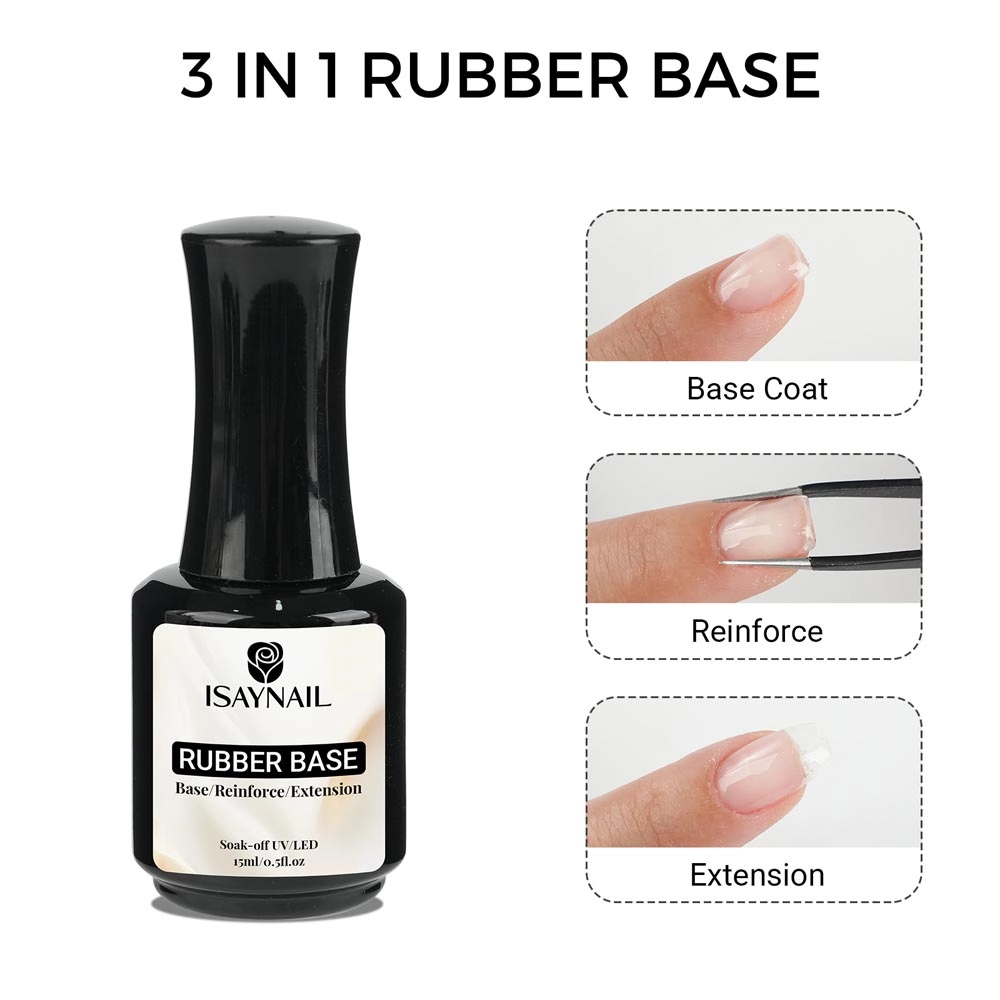
3 in 1 Rubber Base Gel Polish Professional Nail Extension Gel
ISAYNAIL's 3 in 1 Rubber Base Gel Polish is your professional solution. This advanced formula functions as a base, strengthener, and extension gel, perfect for durable, flexible nail enhancements. Achieve salon-quality results effortlessly.
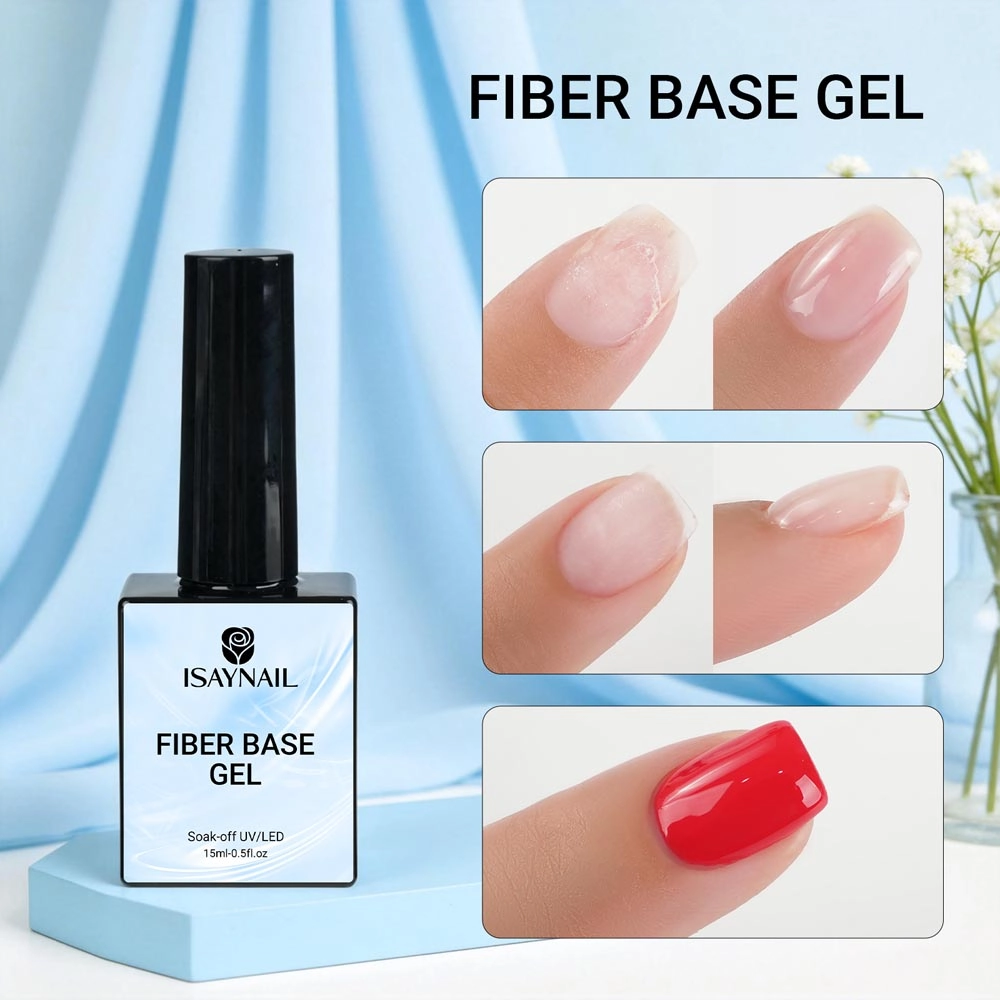
Healthy Fiber Base Gel Long Lasting UV Repair Nail Gel Polish
Fiber Base Gel – a gel polish base coat with reinforcing synthetic fibers. Fiber Base Gel – a gel polish base coat with reinforcing synthetic fibers.
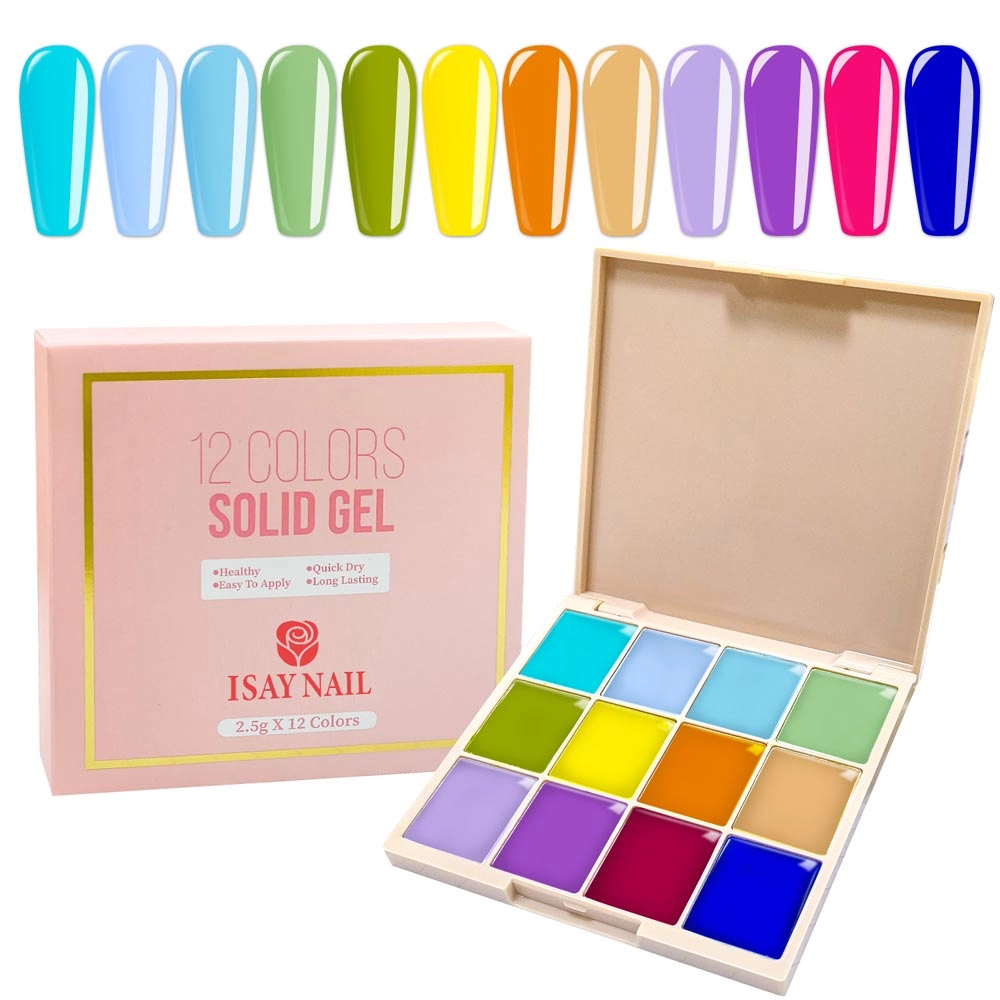
Custom Logo Candy Color Gel Set 12 Colors DIY Solid Gel Kit
This 12 Colors DIY Solid Gel Kit offers vibrant, candy-colored hues for stunning, long-lasting nail art. Get your High Quality 12 Colors Solid Gel Set today and craft unique designs!
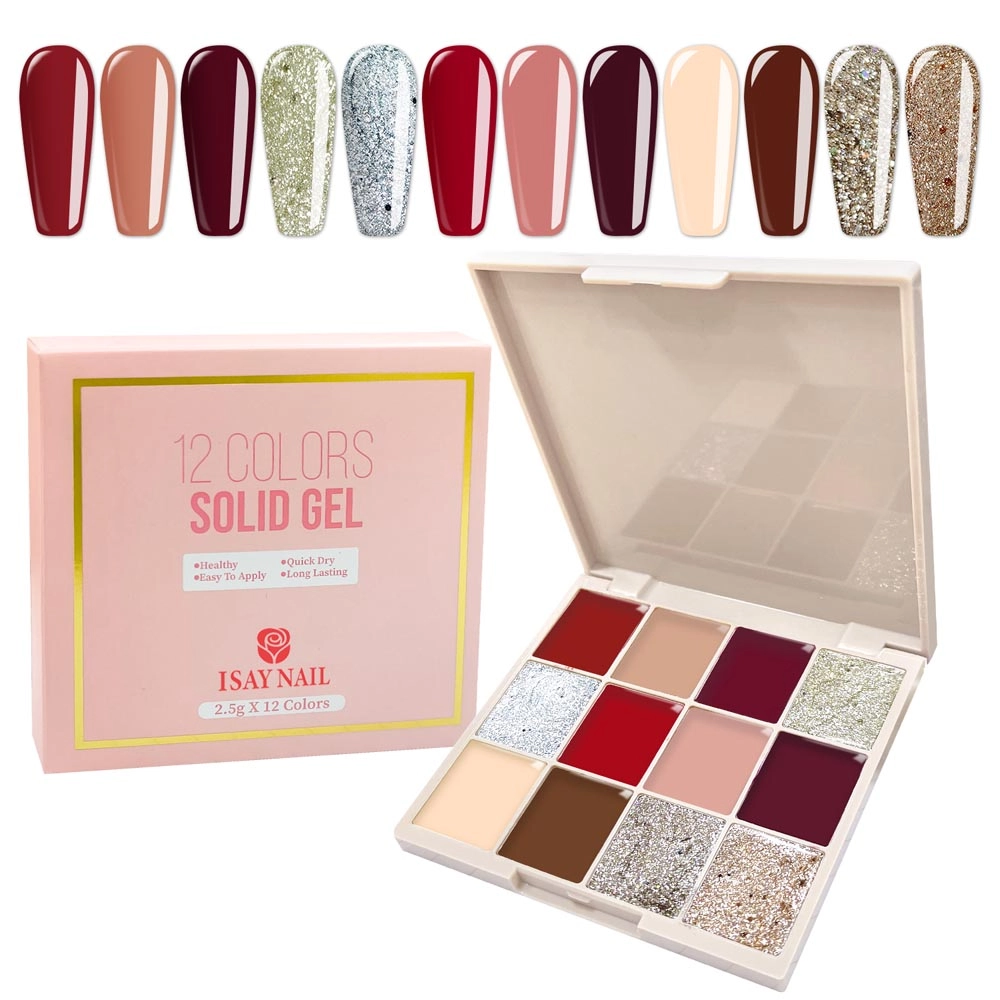
12 Colors Solid Gel Kit Professional DIY Manicure Nail Gel Polish Set
Elevate your nail art with the ISAYNAIL 12 Colors Solid Gel Kit. This professional DIY manicure nail gel polish set offers a stunning palette for endless creativity. Experience salon-quality results at home with our High Quality 12 Colors Solid Gel Set. Perfect for captivating, long-lasting looks.


Copyright © 2025 ISAYNAIL All Rights Reserved.