

The Ultimate Guide to Acrylic Powder: 2026 Professional Standards and Application Mastery
- Introduction
- What is Acrylic Powder?
- The Role of PMMA in Nail Enhancements
- Key Takeaways: Quick Reference for 2026
- Critical Standards for Professional Results
- The Chemistry of the Perfect Bead: Polymerization Explained
- Why Your Bead Consistency Changes
- Advanced Application: Mastering the Apex and Structure
- The Three-Bead Method Step-by-Step
- 2026 Trends: Sustainability and Tech in Acrylics
- The Rise of HEMA-Free and Eco-Friendly Solutions
- Common Mistakes and Expert Solutions
- Troubleshooting Guide
- Frequently Asked Questions (FAQ)
- Is acrylic powder the same as dip powder?
- Does acrylic powder expire?
- What is the healthiest acrylic powder option?
- Why is my acrylic lifting after only a few days?
- Can I use acrylic powder with gel polish?
- How do I get the perfect bead ratio?
- References
Introduction
The global nail industry is experiencing a massive shift, with the acrylic powder market projected to reach nearly $1.49 billion by 2025. Whether you are a seasoned salon owner or a dedicated DIY enthusiast, mastering the science and art of acrylic nail powder is essential for staying competitive. With over a decade of experience in manufacturing high-end nail products, including pink acrylic powder and clear acrylic powder, ISAYNAIL (Guangzhou YiDeMing Technology Co., Ltd) understands that product quality is just as critical as technique.

What is Acrylic Powder?
Acrylic powder is a polymerized solid, technically known as Polymethyl Methacrylate (PMMA), that creates a durable, hard structural layer when combined with a liquid monomer. It serves as the primary building block for sculpting artificial nail extensions, providing the strength required for long lengths and complex shapes.
The Role of PMMA in Nail Enhancements
Unlike gel polish which cures under UV light, nail acrylic powder hardens through a chemical reaction with a liquid monomer. This makes it distinct from powder acrylic for nails used in dip systems, which rely on cyanoacrylate (glue) activators. High-quality powders are milled to microscopic consistency to ensure they blend seamlessly with the liquid, preventing the "marbling" effect often seen in cheaper alternatives.
Why Quality Matters:
- Durability: Premium PMMA withstands high impact without cracking.
- Clarity: Superior clear acrylic powder offers glass-like transparency.
- Blendability: Fine particles absorb monomer evenly for a smooth bead.
Key Takeaways: Quick Reference for 2026
Success in the modern salon environment requires adhering to a precise 1.5:1 liquid-to-powder ratio and exclusively using EMA monomers to ensure client safety. As we move into 2026, the industry standard has shifted heavily toward HEMA-free formulations to minimize allergic reactions and chemical sensitivities.
Critical Standards for Professional Results
To achieve the "Instagram-perfect" finish that clients demand, professionals must adapt to these core principles:
- Ratio Control: A mix that is too wet causes flooding; too dry causes lifting.
- Safety First: Methyl Methacrylate (MMA) is illegal and dangerous. Always verify your monomer is Ethyl Methacrylate (EMA) based.
- Allergy Prevention: Switch to HEMA-free systems, a category where ISAYNAIL leads with its TPO-free and HEMA-free series.
- Temperature Management: Room heat accelerates curing. In summer, work faster or switch to a slow-setting liquid.
The Chemistry of the Perfect Bead: Polymerization Explained
The creation of an acrylic nail relies on suspension polymerization, a process where liquid monomer molecules surround and bond with solid powder particles to form a cross-linked polymer network. This reaction is triggered by Benzoyl Peroxide (BPO), a catalyst embedded in the powder that activates upon contact with the monomer.
Why Your Bead Consistency Changes
Understanding the chemistry helps you troubleshoot application issues immediately. When you dip your brush into acrylics powder, the BPO initiates a chain reaction. If the bead is "snowy" or dry, there is insufficient monomer to dissolve the BPO, leading to a brittle structure. Conversely, a runny bead creates a weak polymer chain that is prone to shrinking.
Components of High-End Powder:
- Polymers (PMMA): The core hardener.
- Initiators (BPO): The spark for the chemical reaction.
- Pigments: High-grade colorants used in pink acrylic powder to ensure color stability.
- Flow Modifiers: Ingredients that help the bead self-level before hardening.
If you are just starting your journey, selecting the right tools is half the battle. Check out our comprehensive guide on choosing the best Acrylic Nail Kit to ensure you have professional-grade chemistry at your fingertips.
Advanced Application: Mastering the Apex and Structure
Apex placement is the structural foundation of any nail extension, providing the necessary stress resistance to prevent the nail from snapping at the stress area. Mastering the Three-Bead Method allows technicians to build this structure systematically, ensuring a balanced nail that is thin at the cuticle and hairline but strong in the center.
The Three-Bead Method Step-by-Step
This technique is the gold standard for applying fingernail acrylic powder efficiently.
- Zone 1 (Free Edge): Place a medium-sized bead at the smile line and guide it toward the free edge. This defines the length and shape.
- Zone 2 (The Apex): This is the largest bead. Place it in the center of the nail. Gently feather it backward toward the cuticle and forward over Zone 1. This creates the "spine" of the nail.
- Zone 3 (Cuticle Area): Use a small, wet bead near the cuticle. Tilt the finger down so gravity pulls the product away from the skin. Press and smooth it flush with the natural nail to prevent lifting.
Pro Tip: Use a 100/180 grit file to refine the shape. ISAYNAIL recommends hand-filing the cuticle area to avoid damaging the natural nail plate with an electric drill.
2026 Trends: Sustainability and Tech in Acrylics
The nail industry is rapidly adopting biodegradable polymers and low-odor technologies to meet the growing consumer demand for eco-conscious beauty. According to recent market analysis, the push for sustainability is not just a trend but a requirement, with the global acrylic market expected to grow at a CAGR of over 4% through 2033 driven by these innovations.
The Rise of HEMA-Free and Eco-Friendly Solutions
Data indicates that over 30% of users switching to HEMA-free options report fewer allergic reactions. This has pushed manufacturers to innovate.
- HEMA-Free Formulations: ISAYNAIL has pioneered HEMA-free and TPO-free powder series, addressing the primary cause of contact dermatitis in salons.
- Smart-Cure Tech: New powders are being developed that react to specific UV wavelengths or ambient light for controlled setting times.
- Refillable Systems: To reduce plastic waste, salons are moving toward bulk-buy nail acrylic powder options and refillable jars.
For those interested in how color trends are evolving alongside these technical shifts, explore our report on Trending Dip Nail Colors for Winter.
Common Mistakes and Expert Solutions
Lifting and yellowing are the most common complaints in the industry, usually stemming from improper nail preparation or the use of low-grade monomers. Cloudiness in a finished nail is typically the result of air bubbles trapped during the mixing phase or applying a bead that is too dry.
Troubleshooting Guide
-
Problem: Lifting at the Cuticle
- Cause: Product touching the skin or improper removal of the cuticle (pterygium).
- Solution: Leave a tiny margin (1mm) between the product and the skin. Use a dehydrator before application.
-
Problem: Yellowing
- Cause: UV exposure or incompatible monomer/powder brands.
- Solution: Use acrylic nails powder with added UV inhibitors and stick to a single brand system for chemical compatibility.
-
Problem: Cracking
- Cause: The ratio was too wet (weak structure) or the apex was missed.
- Solution: Re-evaluate your liquid-to-powder ratio and ensure the apex is the highest point of the nail.
Frequently Asked Questions (FAQ)
Is acrylic powder the same as dip powder?
No, while both utilize PMMA, dip powders are milled much finer and rely on a resin glue (cyanoacrylate) and activator spray to harden. Traditional acrylic nail powder requires a liquid monomer (EMA) to initiate the cross-linking polymerization process that creates a structural enhancement.
Does acrylic powder expire?
Most acrylics powder has a shelf life of 2-3 years if stored correctly. Signs of expiration include clumping, discoloration, or a slower setting time. Always store your containers in a cool, dark place away from direct sunlight and moisture.
What is the healthiest acrylic powder option?
HEMA-free and MMA-free powders are the safest options for preserving nail health. ISAYNAIL recommends looking for "9-Free" or "11-Free" labels, which certify that the product is free from the most common toxic chemicals known to cause allergies and long-term damage.
Why is my acrylic lifting after only a few days?
Early lifting is almost always caused by inadequate prep. If the natural nail plate retains oil or moisture, the bond will fail. Ensure you thoroughly sanitize, dehydrate, and prime the nail before applying your nail powder acrylic nails.
Can I use acrylic powder with gel polish?
Yes, the "Gel-on-Acrylic" method is highly popular. Once the fingernail acrylic powder has cured and been filed smooth, you can apply gel polish directly on top. This combines the structural strength of acrylic with the long-lasting shine and color variety of gel.
How do I get the perfect bead ratio?
Dip your brush into the monomer, wipe the excess off one side of the brush against the jar, and gently tap the tip into the acrylic powder. The resulting bead should be smooth, glossy, and resemble a frosted grape. If it is runny, it is too wet; if it is rough, it is too dry.
References
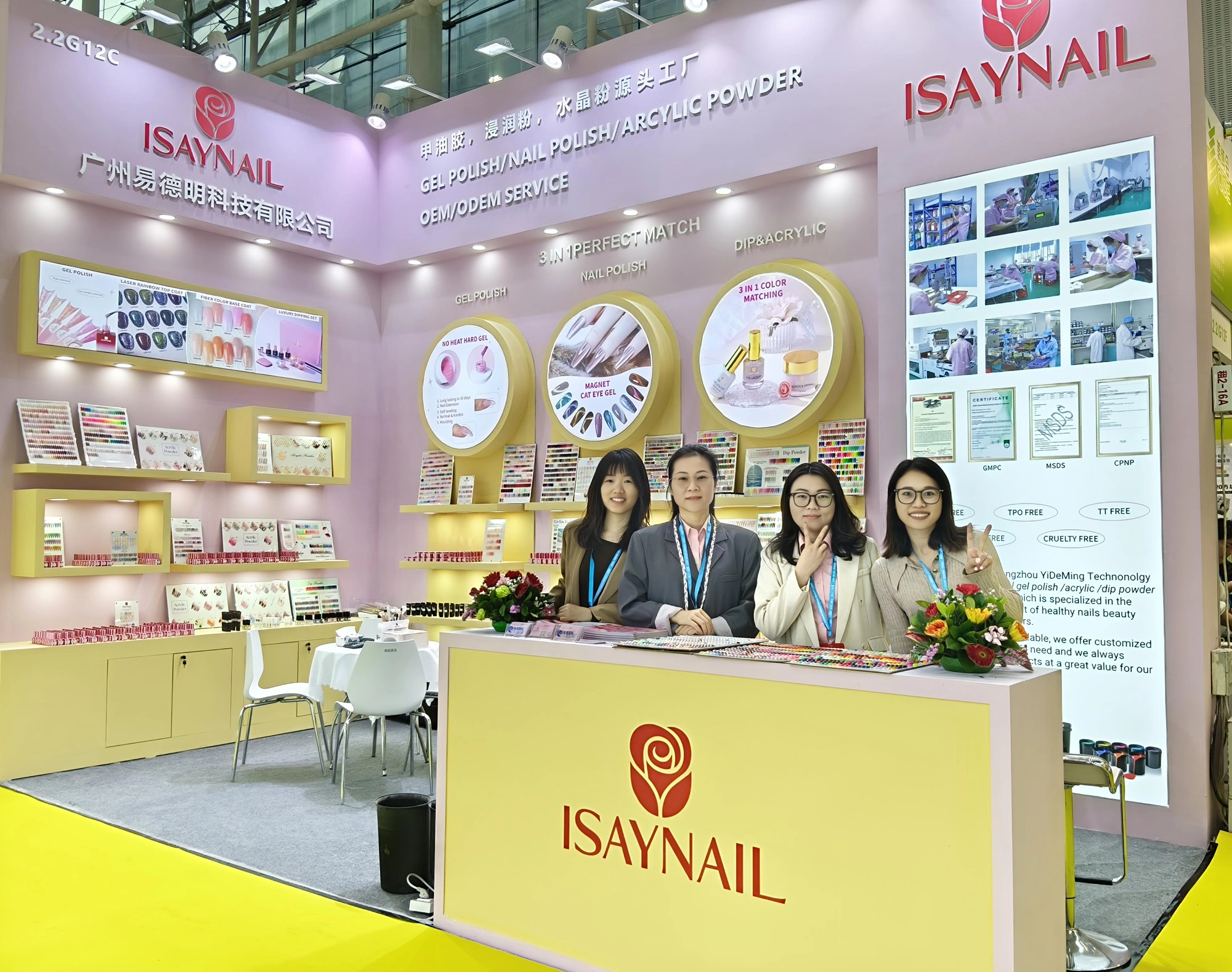
The first day of the China International Beauty Expo!
ISAYNAIL | Invitation to China International Beauty Expo
![Top 10 Best Non-Toxic Gel Nail Polishes for a Damage-Free Manicure [2026 Review]](https://static.gooecloud.com/upload/img/GY742162876051/top-10-best-non-toxic-gel-nail-polishes-for-a-damage-free-manicure-2026-review.png?x-oss-process=image/format,webp/quality,Q_100 "Top-10-Best-Non-Toxic-Gel-Nail-Polishes-for-a-Damage-Free-Manicure-[2026-Review]")
Top 10 Best Non-Toxic Gel Nail Polishes for a Damage-Free Manicure [2026 Review]
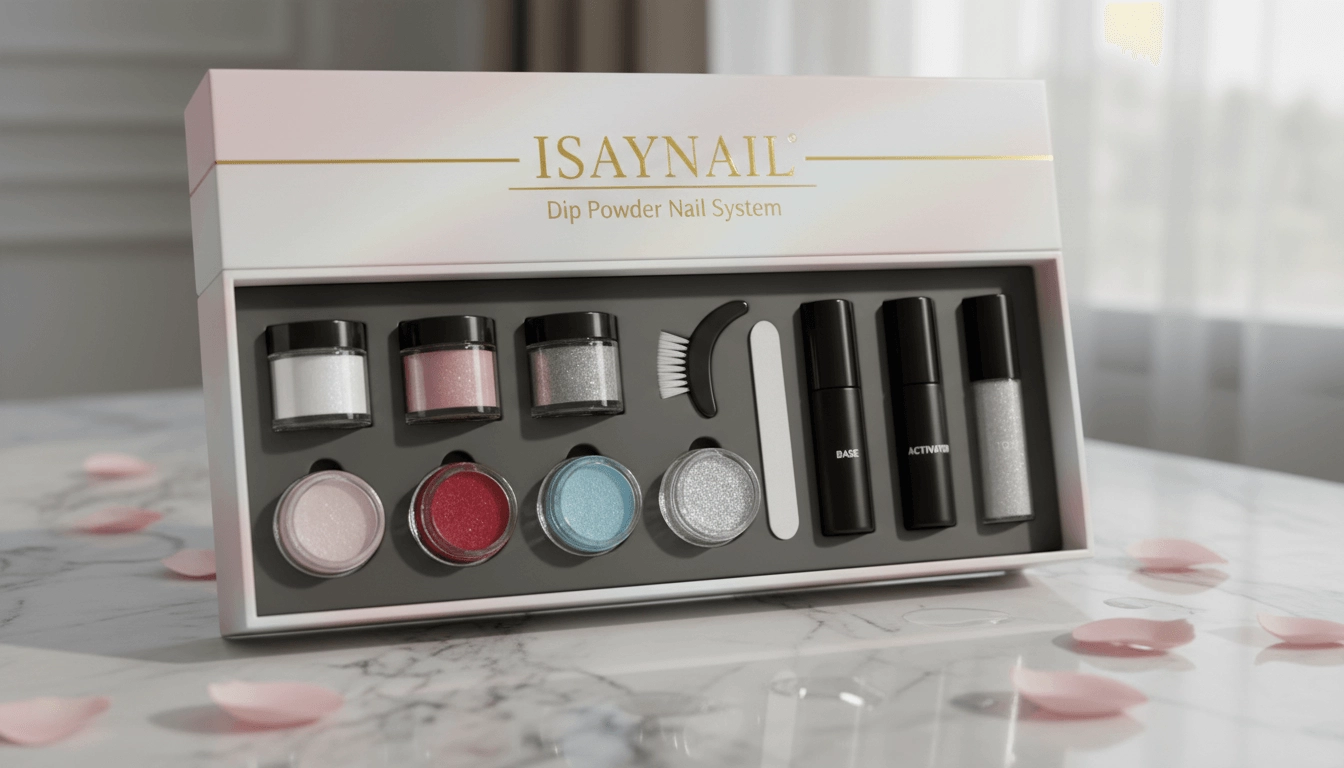
The 2026 MoCRA Compliance Checklist: Why HEMA-Free & TPO-Free Dip Powder is the Future of Professional Nails
Trending Dip Nail Colors for Winter
FAQ
You are trading company or factory?
We are manufacturers for making dip powder, acrylic powder, dip liquid, and UV gel polish ,we have our own R&D department.
Where is your location ?
We are in the south of China, in Guangzhou City, which is near Hong Kong.
How soon can I get a price quote?
For most projects, once we know the parking box type, printing requirements and quantity, we can provide you with a price quote within 1 hour.
What is your order lead time ?
Samples order are within 3 days, production order will be 7-10 days, if special packing is needed, it will be around 15-20 days
Can we get a sample for reference?
We offer a free sample, and you just pay for the freight. The charge could be returned back when there is an order. If you are in China, we will pay the courier fees.
Private Label Uv Nail Acrylic Gel Poly Gel Nail Polish
Glitter Cherry Blossom Dip Powder Flower Sequin Nail Art
High Quality Fairy Cat Eye Gel Shiny Glitter Cat Eye Nail Polish
Essential Dip Powder Liquid Set 15ml Top Coat and Base Coat Gel Polish Kit
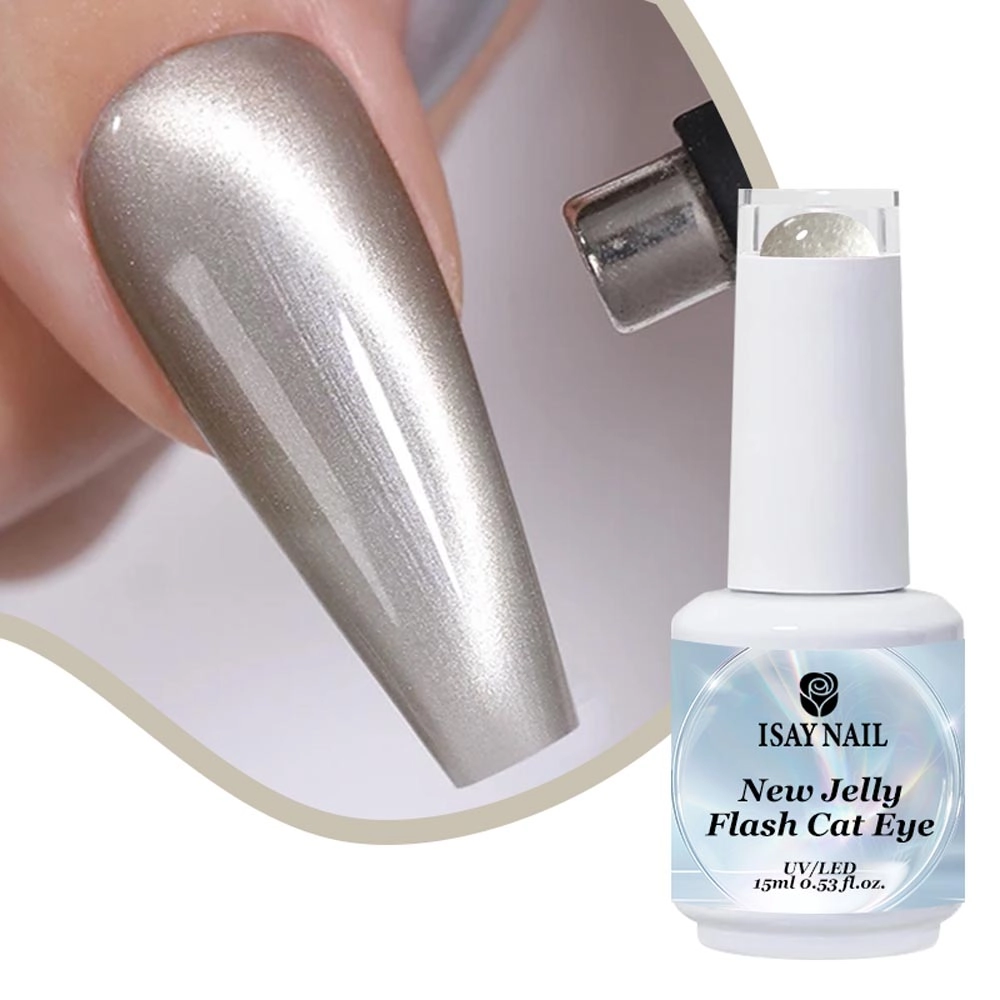
15ml UV Long Lasting Magnetic Nail Art Colorful New Jelly Flash Cat Eye Gel Polish
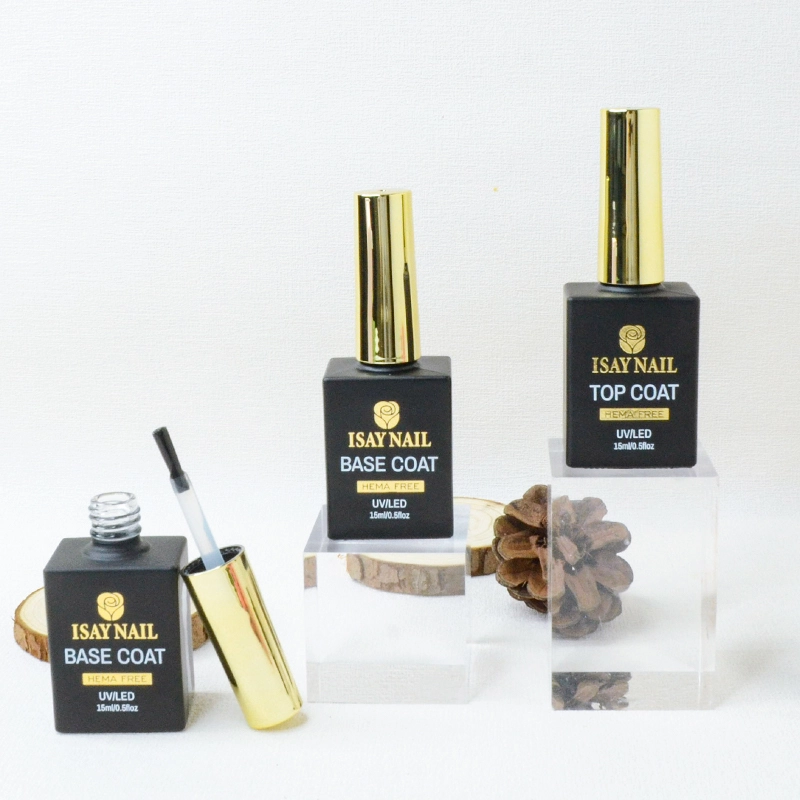
UV LED Hema Free No Wipe Top and Base Coat Set
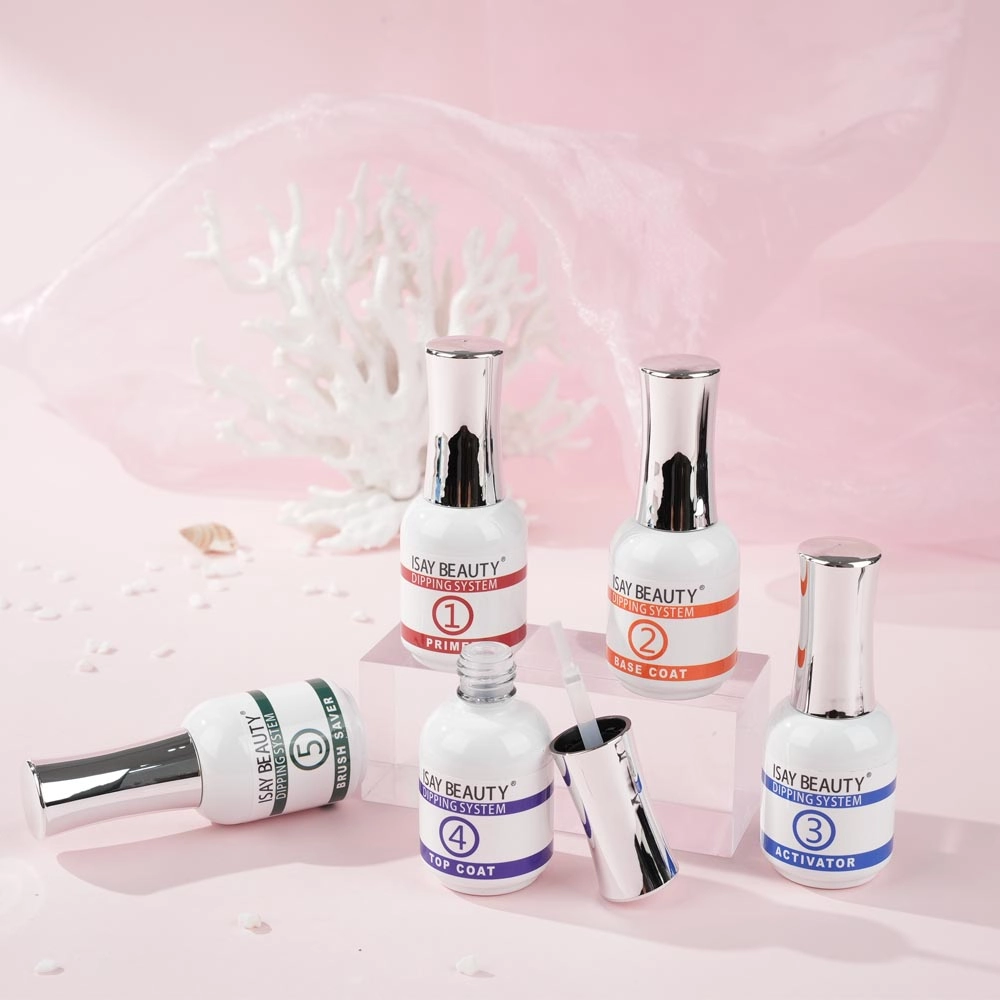
High Quality Dip Liquid Top Coat And Base Coat Starter Kit
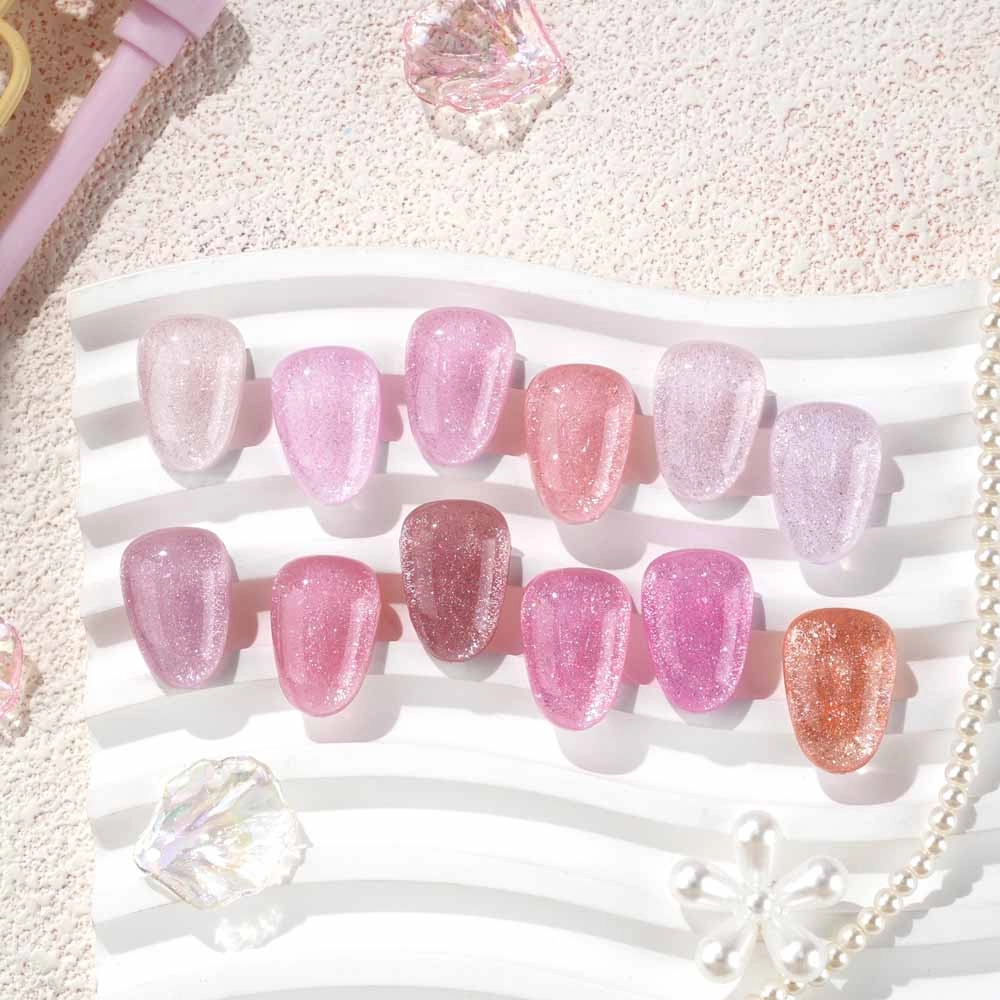
Pearlescent Builder Gel Glitter Shiny Hard Extension
Contact Us
We are committed to producing the best quality products at the most competitive prices.Therefore, we sincerely invite all interested companies to contact us for more information.
* Rest assured that your privacy is important to us, and all information provided will be handled with the utmost confidentiality.


Copyright © 2025 ISAYNAIL All Rights Reserved.