

Safe Ingredients and Allergy Info for Young Nails Acrylic Powder
- Safe Ingredients and Allergy Info for Young Nails Acrylic Powder
- Understanding what young nails acrylic powder really means
- Core ingredient classes in acrylic powders and their roles
- Which ingredients are linked to allergic reactions?
- Symptoms and timing of acrylic-related allergic reactions
- How to reduce allergy risk when using young nails acrylic powder
- Patch testing, diagnosis and when to see a specialist
- Regulatory and industry trends relevant to young nails acrylic powder
- Quick comparison: common acrylic ingredients, allergy risk and regulatory notes
- Choosing safe young nails acrylic powder products: checklist
- Practical salon workflows to protect technicians and clients
- ISAYNAIL: expertise, safe product options and OEM/ODM services
- How ISAYNAIL aligns with safety considerations for acrylic powders
- ISAYNAIL core product overview and competitive strengths
- When to contact ISAYNAIL for product or formulation questions
- FAQ — Common questions about young nails acrylic powder and allergies
- Q: Is young nails acrylic powder hypoallergenic?
- Q: How can a salon tell if an acrylic product contains MMA?
- Q: What protective steps should nail technicians take daily?
- Q: Can a client with a suspected acrylic allergy still have nail services?
- Q: Are there objective tests to confirm an allergy?
- Get product support or speak to an expert
- References
Safe Ingredients and Allergy Info for Young Nails Acrylic Powder
Understanding what young nails acrylic powder really means
When people search for young nails acrylic powder, they usually want to know two things: what the powder contains, and whether it's safe—especially for clients or technicians who have sensitive skin or a history of allergies. Acrylic powder used in nail enhancements is a composite of powdered polymers, colorants and additives that are mixed with a liquid monomer to form a durable artificial nail. This article explains typical ingredient classes, allergy risks associated with (meth)acrylates and other components, how to reduce exposure, and how to read labels and safety data sheets to make safer choices.Once you're informed about the safe ingredients and allergy info for Young Nails acrylic powder, mastering professional application techniques will allow you to achieve the best results with this product.
Core ingredient classes in acrylic powders and their roles
Understanding ingredient categories helps you evaluate safety. Most acrylic powders—whether sold under a specific brand name or as a professional system—are composed of several predictable classes of ingredients:
- Polymer powders (base): e.g., polymethyl methacrylate (PMMA) or similar acrylic polymers that provide bulk and structure.
- Monomer liquid (used with powder): ethyl methacrylate (EMA) is commonly used today; methyl methacrylate (MMA) is widely restricted. Monomers are the reactive portion that polymerize with powder.
- Initiators/catalysts: benzoyl peroxide or similar organic peroxides that start polymerization.
- Pigments and opacifiers: iron oxides, titanium dioxide, mica for color and coverage.
- Fillers and flow modifiers: silica, talc, or specialty additives to control handling.
Note: Some ingredient names (e.g., HEMA) are more common in gels than powders, but cross-contamination or combined product systems can introduce additional allergenic components.
Which ingredients are linked to allergic reactions?
The main allergy culprits in nail enhancement products are monomers and unreacted acrylates/methacrylates. Reactions range from mild irritant dermatitis to allergic contact dermatitis and, rarely, occupational asthma in poorly ventilated settings.
- Unpolymerized (meth)acrylates: These small molecules can penetrate skin and sensitize users. Occupational exposure among nail technicians is well-documented.
- Methyl methacrylate (MMA): Historically linked to severe allergic and mechanical problems and banned in some jurisdictions for nail use. Many brands market MMA-free products for safety.
- Ethyl methacrylate (EMA): Considered less likely than MMA to cause mechanical issues, but EMA and other acrylates can still cause contact allergy if skin exposure is frequent.
- Initiators (e.g., benzoyl peroxide): Can cause irritation or allergic reactions in sensitized individuals.
- Pigments and additives: Pigments such as certain dyes or metal oxides can occasionally provoke reactions, especially in clients with known metal sensitivities.
Symptoms and timing of acrylic-related allergic reactions
Contact allergy symptoms typically include redness, itching, swelling, blistering, or persistent dermatitis around the nail fold, fingers, or hands. Sensitization can develop over repeated exposures; symptoms may appear within 24–72 hours after contact, or become chronic with ongoing exposure. In rare cases, respiratory symptoms may occur in poorly ventilated salons when aerosolized powders or vapors are inhaled.
How to reduce allergy risk when using young nails acrylic powder
Minimizing risk is a combination of product choice, salon practices, and personal protective equipment (PPE):
- Choose MMA-free systems: Check product labels and SDS (safety data sheets). Reputable brands clearly state if a product is MMA-free.
- Use proper PPE: Nitrile gloves provide better chemical resistance to acrylates than latex. Protective eyewear and masks (for dust) are useful when filing or sanding cured nails.
- Control dust and vapors: Use local exhaust ventilation, dust extractors or high-efficiency salon vacuums during filing and buffing. Keep work areas well ventilated.
- Avoid skin contact: Never allow uncured liquid or powder to sit on skin; wipe spills immediately and wash hands thoroughly after client work.
- Follow manufacturer instructions: Correct powder/liquid ratios, cure times and techniques reduce the amount of unreacted monomer left in the finished nail.
- Educate clients and staff: Inform them about signs of sensitivity and document prior allergic history during intake.
Patch testing, diagnosis and when to see a specialist
If a client or technician develops persistent dermatitis suspected to be from nail products, the next step is referral to a board-certified dermatologist for patch testing. Patch testing can identify sensitization to specific (meth)acrylates, initiators or other components. If a positive reaction is found, avoidance of the offending chemical is advised. For technicians with a confirmed allergy to acrylates, alternative nail services that avoid direct acrylate exposure—or reassignment to non-exposure roles—may be necessary.
Regulatory and industry trends relevant to young nails acrylic powder
Regulators and professional organizations have raised concern about certain monomers (especially MMA). Many countries and professional bodies discourage or prohibit MMA for nail enhancements, and reputable manufacturers proactively formulate MMA-free products and provide transparent SDS documentation. Industry trends also emphasize lower-volatile formulas, reduced-odor systems, and improved polymerization to minimize residual monomers.
Quick comparison: common acrylic ingredients, allergy risk and regulatory notes
| Ingredient | Function | Allergy / Safety Concerns | Regulatory / Industry Note |
|---|---|---|---|
| PMMA (polymer powder) | Bulk polymer; base of powder | Low allergy risk once polymerized; dust can irritate | Common, generally accepted for nail powders |
| EMA (ethyl methacrylate) | Monomer liquid; reactive part | Can sensitize with repeated exposure; less problematic than MMA | Widely used in professional systems |
| MMA (methyl methacrylate) | Monomer (historical use) | Associated with severe reactions and mechanical nail damage | Banned/discouraged for nail use in many areas; avoid |
| Benzoyl peroxide | Initiator/catalyst for polymerization | Can cause irritation or allergy in some people | Common in powder systems; handled carefully |
| Pigments (iron oxides, TiO2) | Color & opacity | Occasional sensitization; more often cosmetic irritation | Generally safe when properly tested |
Sources for table data: professional dermatology reviews and regulatory summaries listed at the end.
Choosing safe young nails acrylic powder products: checklist
When evaluating a product or a brand, check for these indicators of safety and transparency:
- Complete SDS and ingredient list available to professionals.
- Explicit MMA-free labeling when relevant.
- Manufacturer guidance on cure times, mixing ratios, and PPE.
- Third-party testing or certifications (where available).
- Clear instructions for disposal and spill handling.
Practical salon workflows to protect technicians and clients
In addition to using safer formulas, salon workflow changes reduce cumulative exposure:
- Rotate staff assignments to reduce the number of hours each technician spends on acrylic services.
- Use extraction tools and work close to extraction intakes when filing or buffing.
- Train staff in safe handling and emergency responses for spills or exposures.
- Keep client intake forms that include allergy history and prior adverse reactions to nail services.
ISAYNAIL: expertise, safe product options and OEM/ODM services
ISAYNAIL has more than 10 years of experience in the production, manufacturing and sales of nail polish products and is a symbol of quality and reliability in the nail industry. Our product portfolio includes a variety of high-end products, featuring HEMA FREE and TPO FREE gel polish series, and a dip powder & acrylic powder series. Committed to continuous innovation and predicting constantly changing market demand, we are pleased to announce the upcoming release of our fast-drying nail polish series. Our product range is not limited to manufacturing but also includes comprehensive OEM/ODM services. We offer complete customization options, from the basic formulation of the product to the final decoration of color, style, and packaging.
How ISAYNAIL aligns with safety considerations for acrylic powders
ISAYNAIL's acrylic powder and dip systems are developed with modern safety expectations in mind: clear SDS documentation, formulation transparency and options that avoid controversial monomers. For salons and distributors looking to private-label or customize safer product lines, ISAYNAIL provides OEM/ODM support to tailor formulations—such as MMA-free acrylic powders, reduced-odor options, or products designed to minimize residual monomer. This is particularly helpful for salons prioritizing allergy-safe services or seeking to reduce workplace exposure for technicians.
ISAYNAIL core product overview and competitive strengths
ISAYNAIL’s main product categories and advantages include:
- Gel Polish: HEMA FREE and TPO FREE series designed to reduce common gel-associated sensitizers while delivering salon performance.
- Dip Powder & Acrylic Powder: Professional-grade powders engineered for consistent handling, strong adhesion and formulated with attention to regulatory and allergy concerns.
- Fast Dry Nail Polish (upcoming): Formulations aimed at quicker dry times without increasing solvent-related exposure.
- Extension Gel, Function Gel and Cuticle Oil: Complementary treatments to support extension durability and nail health.
- Chrome Powder: High-pigment finishes with manufacturing controls to minimize contamination and impurities.
Core competitive strengths: formulation expertise, production quality control, and customizable OEM/ODM offerings that let professional customers specify safety and performance priorities.
When to contact ISAYNAIL for product or formulation questions
If you need a safer acrylic powder option, want MMA-free certification, or require private-label solutions tuned for low-sensitizer markets (e.g., HEMA-free or other exclusions), ISAYNAIL provides technical consultation and formulation support to meet those needs.
FAQ — Common questions about young nails acrylic powder and allergies
Q: Is young nails acrylic powder hypoallergenic?
A: No product can be guaranteed hypoallergenic for everyone. Many acrylic powders are formulated to minimize common sensitizers (e.g., MMA-free), but individuals can still react to EMA or other components. Look for transparent ingredients, SDS and consider patch testing for clients with known sensitivities.
Q: How can a salon tell if an acrylic product contains MMA?
A: Reputable manufacturers will state MMA-free on labels or SDS. If the SDS does not list monomers explicitly, request a detailed composition or contact the manufacturer. Avoid products with unclear labeling.
Q: What protective steps should nail technicians take daily?
A: Use nitrile gloves, wear dust masks or local extraction when filing, keep work areas ventilated, avoid skin contact with uncured products, and follow manufacturer instructions. Rotate tasks to reduce cumulative exposure.
Q: Can a client with a suspected acrylic allergy still have nail services?
A: Yes—if the allergen is identified (via patch testing) you can choose alternative services that avoid the allergen. For technicians with confirmed acrylate allergy, they may need to avoid applying acrylic systems altogether.
Q: Are there objective tests to confirm an allergy?
A: Yes—patch testing by a dermatologist is the standard diagnostic method to identify contact allergens including specific (meth)acrylates and initiators.
Get product support or speak to an expert
If you need product safety data, customized formulation options, or guidance on choosing MMA-free acrylic powders, contact ISAYNAIL’s technical team for SDS, test data and OEM/ODM consultations. For immediate assistance or to review our product catalog and upcoming fast-drying nail polish launch, please contact our customer service or sales team.
References
- American Academy of Dermatology Association — Patient information on nail enhancements and contact dermatitis.
- Contact Dermatitis (peer-reviewed journal) — Reviews on acrylates and methacrylates as causes of allergic contact dermatitis.
- European Chemicals Agency (ECHA) — Summaries on acrylate hazards and regulatory considerations.
- U.S. Food and Drug Administration (FDA) — Information and historical communications on nail product safety and hazardous monomers.
- Occupational health literature — Reviews on respiratory and skin risks for nail technicians (e.g., occupational dermatology and salon safety guidance).
Note: This article provides general information and is not a substitute for professional medical advice. If you suspect an allergy, seek evaluation by a dermatologist or qualified medical professional.
Contact ISAYNAIL for product inquiries, SDS requests, OEM/ODM services and the latest product launches.
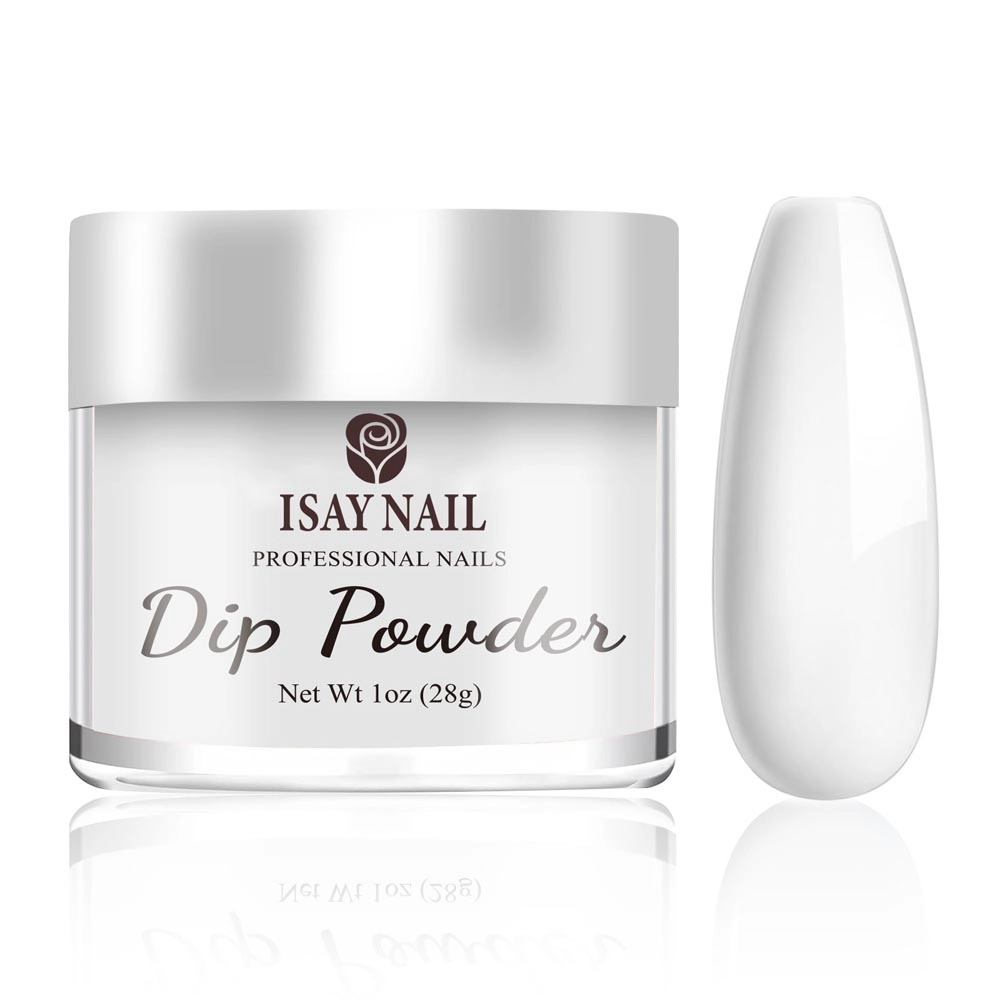
Top Color Trends for Professional Dip Powder This Year
Discover the Best Base and Top Coat for Gel Polish | ISAYNAIL
Top 10 Uv Builder Gel Suppliers Manufacturers and Supplier Brands
Top 10 Private Label Gel Polish | Build Your Brand Manufacturers and Supplier Brands
FAQ
Can we get a sample for reference?
We offer a free sample, and you just pay for the freight. The charge could be returned back when there is an order. If you are in China, we will pay the courier fees.
What about your payment terms ?
TT, PayPal, Alibaba pay
How soon can I get a price quote?
For most projects, once we know the parking box type, printing requirements and quantity, we can provide you with a price quote within 1 hour.
What is your main products ?
Our main products are our dip powder, acrylic powder, and UV gel polish.
Where is your location ?
We are in the south of China, in Guangzhou City, which is near Hong Kong.
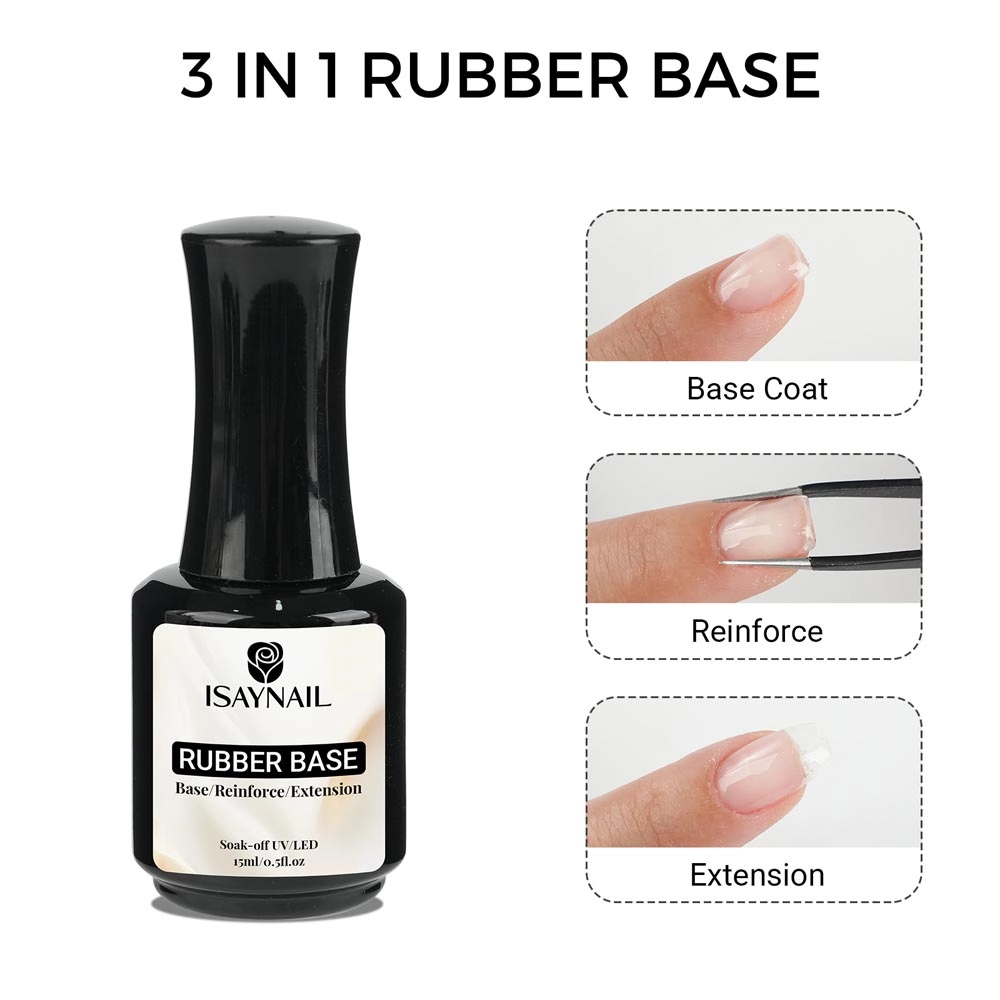
3 in 1 Rubber Base Gel Polish Professional Nail Extension Gel
ISAYNAIL's 3 in 1 Rubber Base Gel Polish is your professional solution. This advanced formula functions as a base, strengthener, and extension gel, perfect for durable, flexible nail enhancements. Achieve salon-quality results effortlessly.
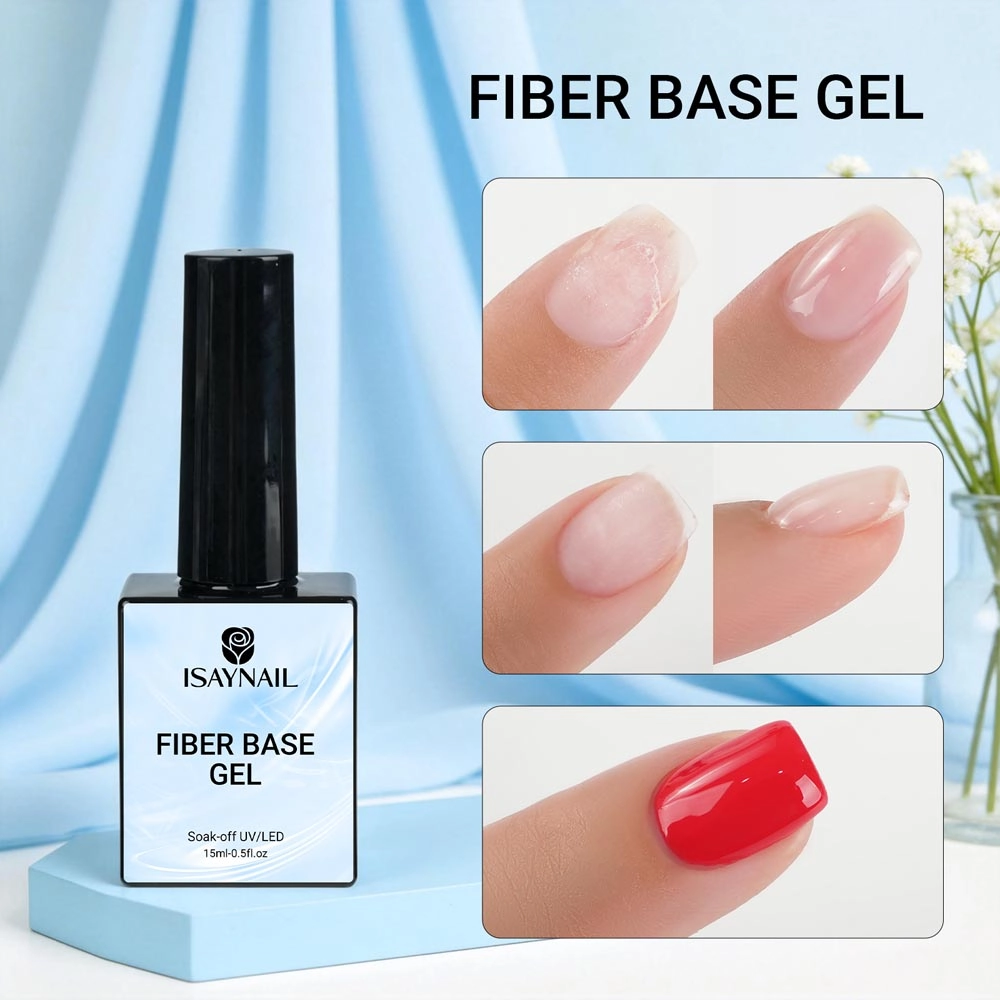
Healthy Fiber Base Gel Long Lasting UV Repair Nail Gel Polish
Fiber Base Gel – a gel polish base coat with reinforcing synthetic fibers. Fiber Base Gel – a gel polish base coat with reinforcing synthetic fibers.
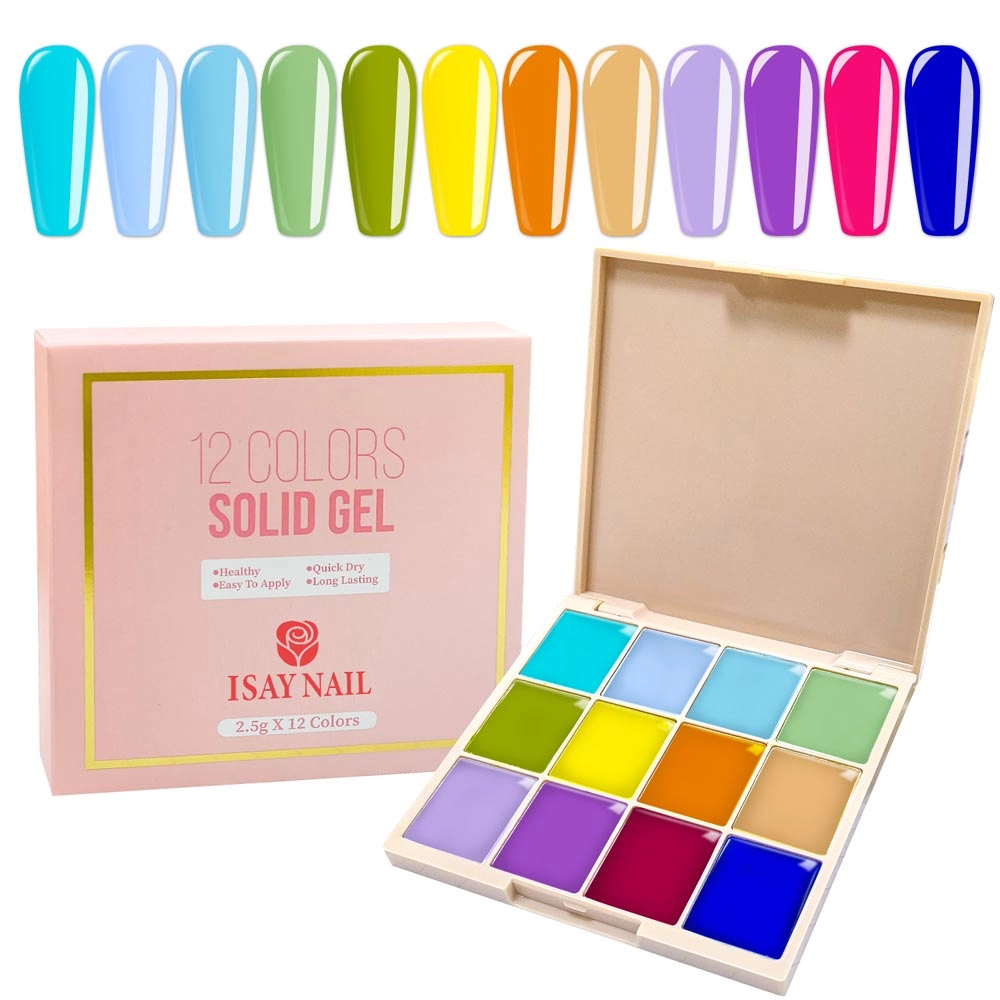
Custom Logo Candy Color Gel Set 12 Colors DIY Solid Gel Kit
This 12 Colors DIY Solid Gel Kit offers vibrant, candy-colored hues for stunning, long-lasting nail art. Get your High Quality 12 Colors Solid Gel Set today and craft unique designs!
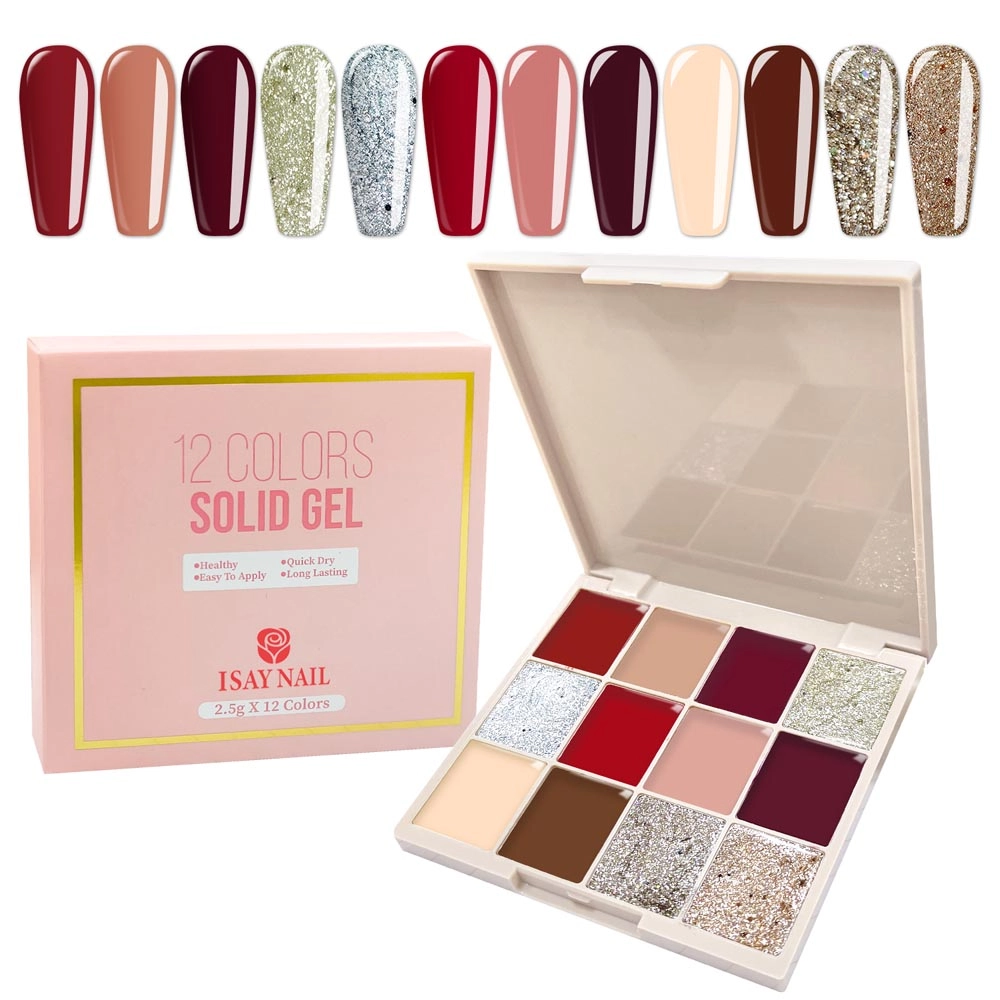
12 Colors Solid Gel Kit Professional DIY Manicure Nail Gel Polish Set
Elevate your nail art with the ISAYNAIL 12 Colors Solid Gel Kit. This professional DIY manicure nail gel polish set offers a stunning palette for endless creativity. Experience salon-quality results at home with our High Quality 12 Colors Solid Gel Set. Perfect for captivating, long-lasting looks.


Copyright © 2025 ISAYNAIL All Rights Reserved.